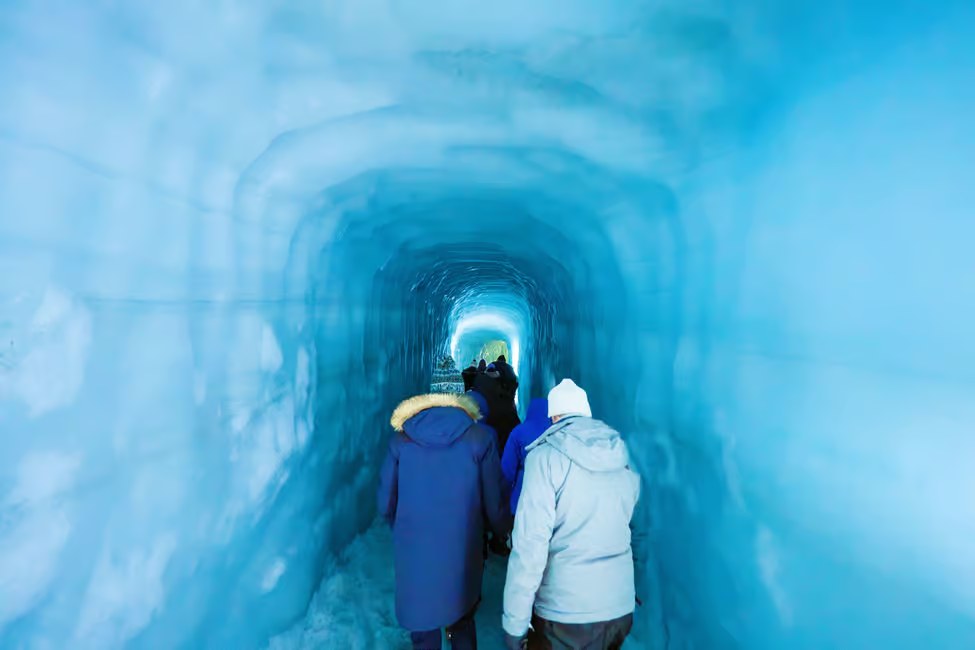
Why winter is the ice cave season
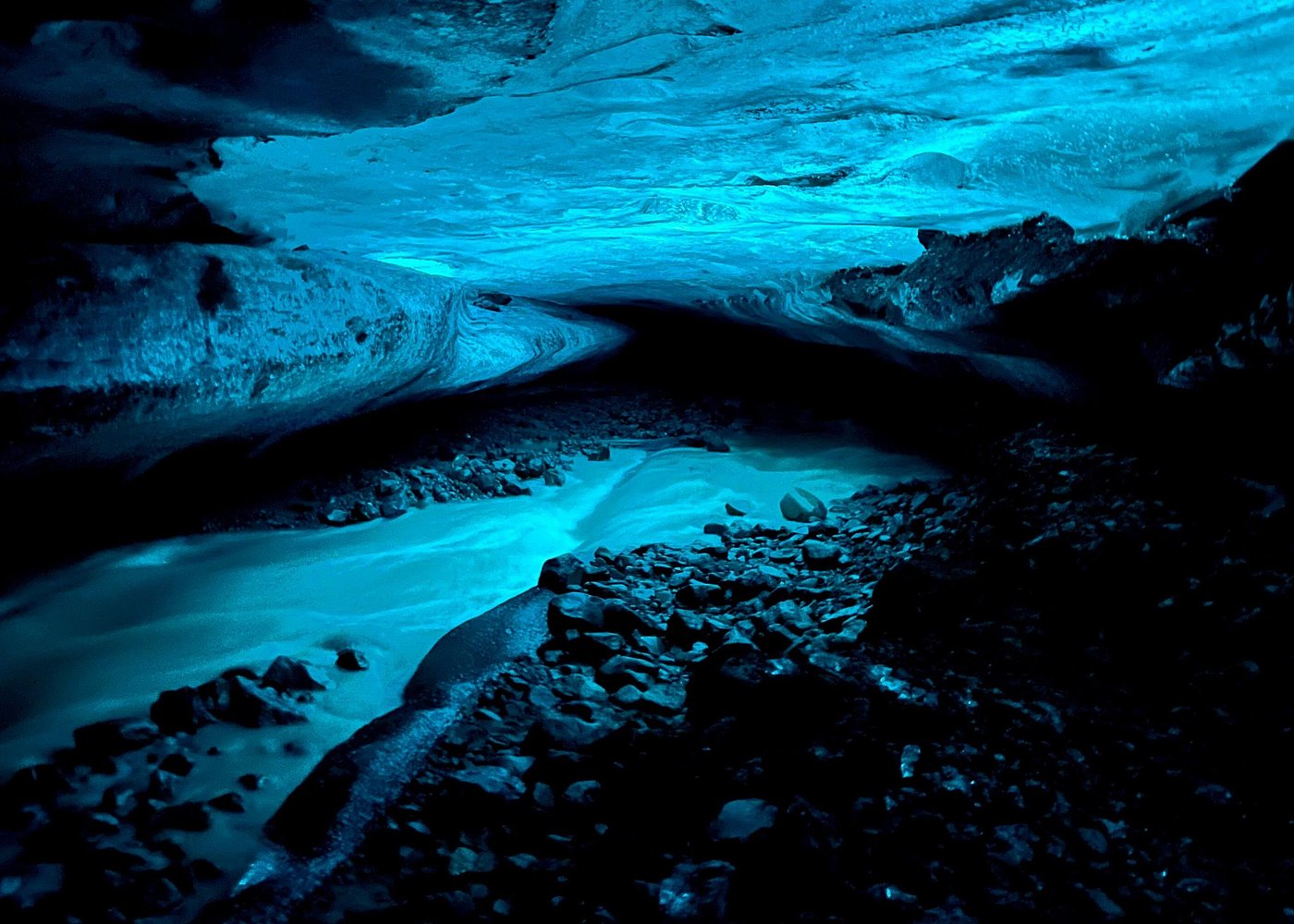
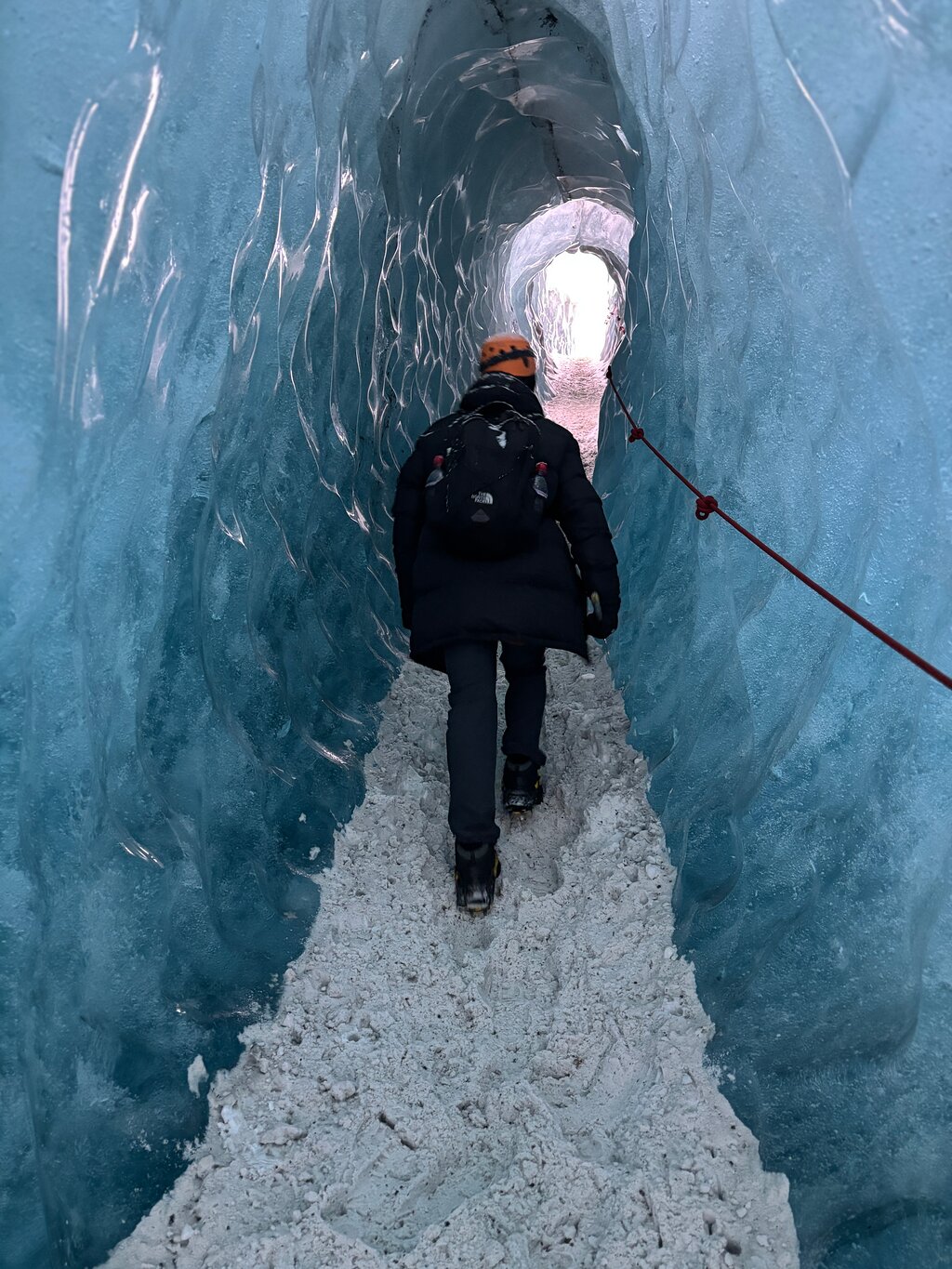
Natural ice caves are hollowed out by meltwater running through the glacier in summer, then left empty when the water drops away. They are only safe to enter while the ice is cold and dense, which is what winter provides. Come spring they soften, flood and collapse.
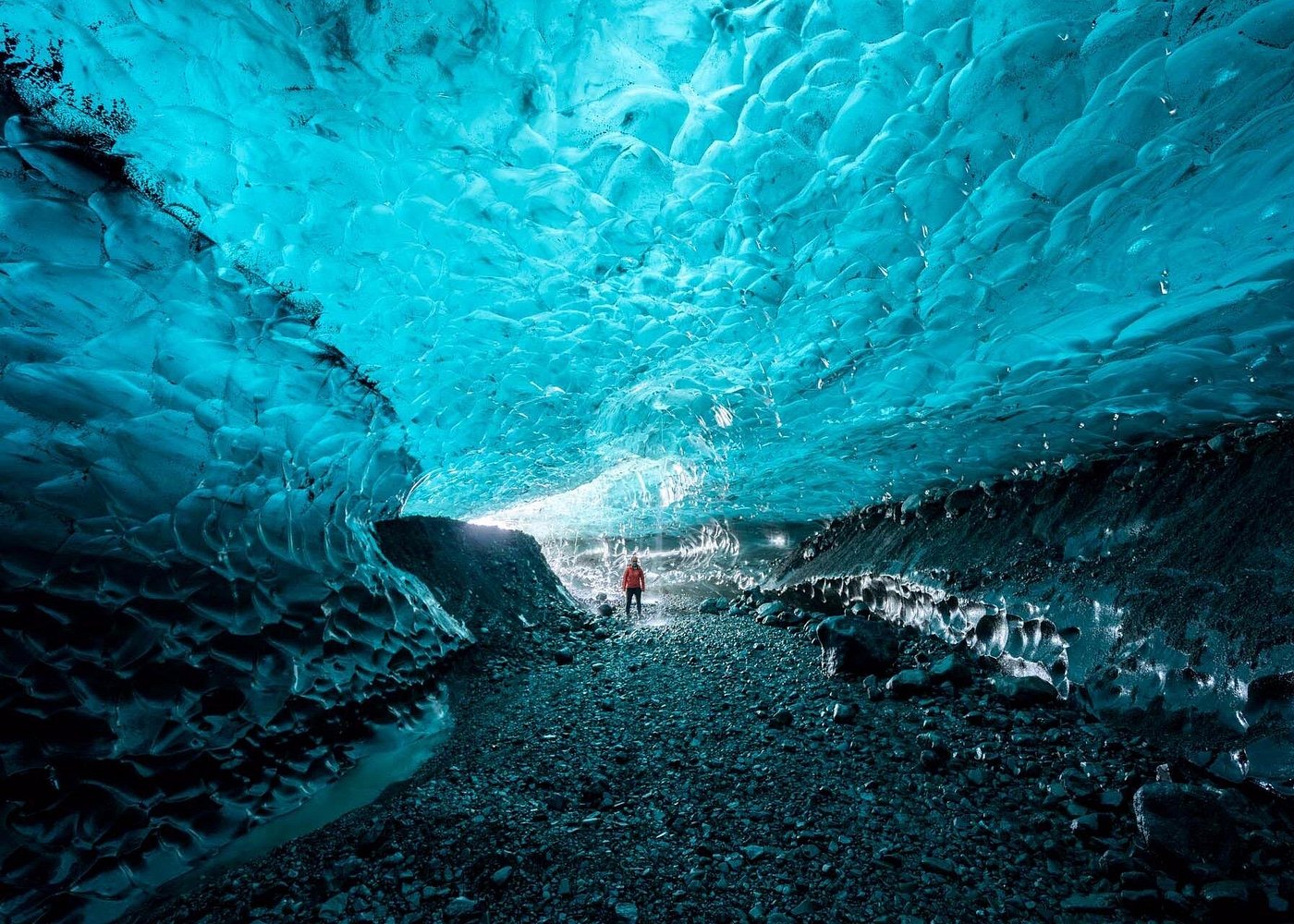
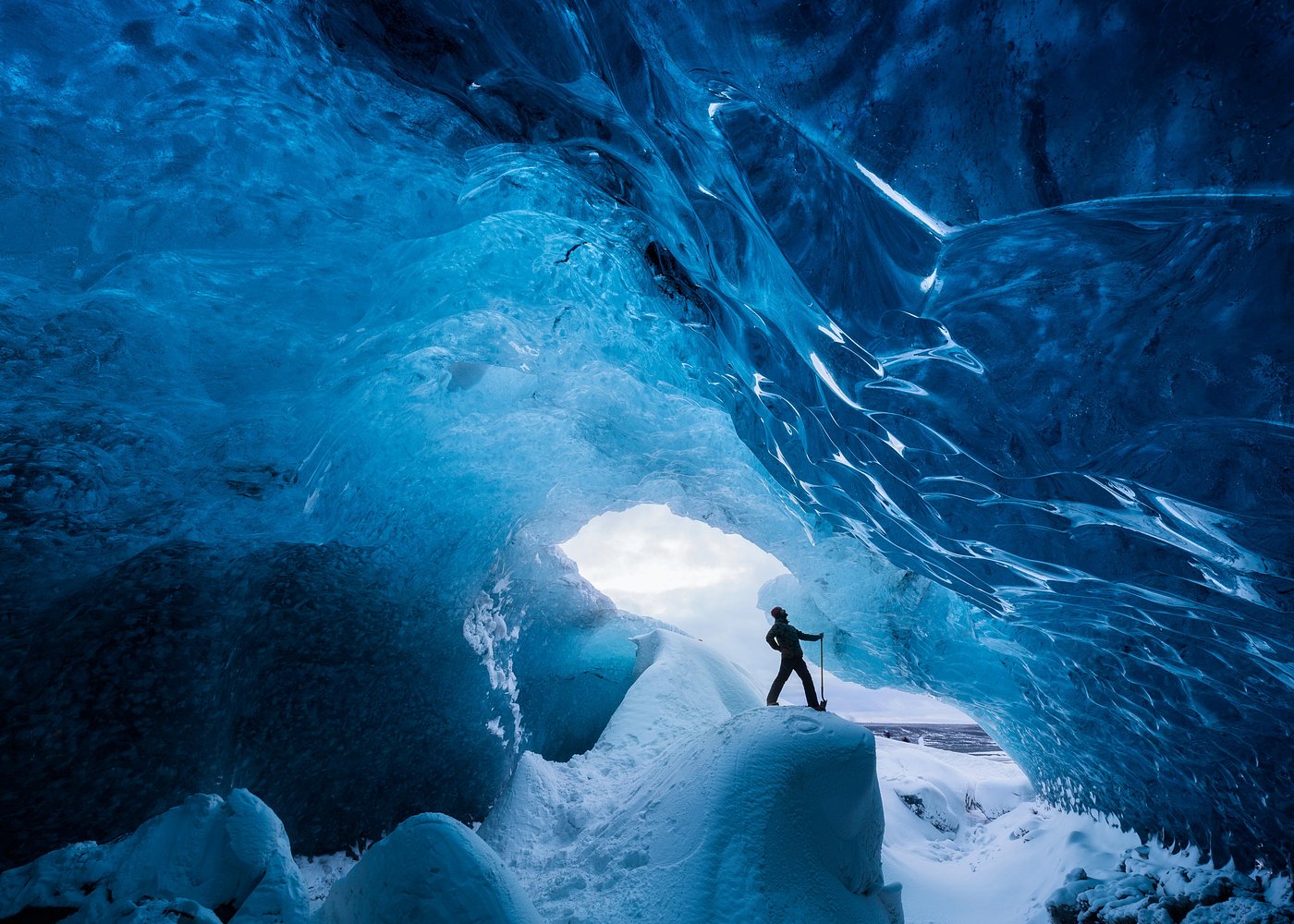
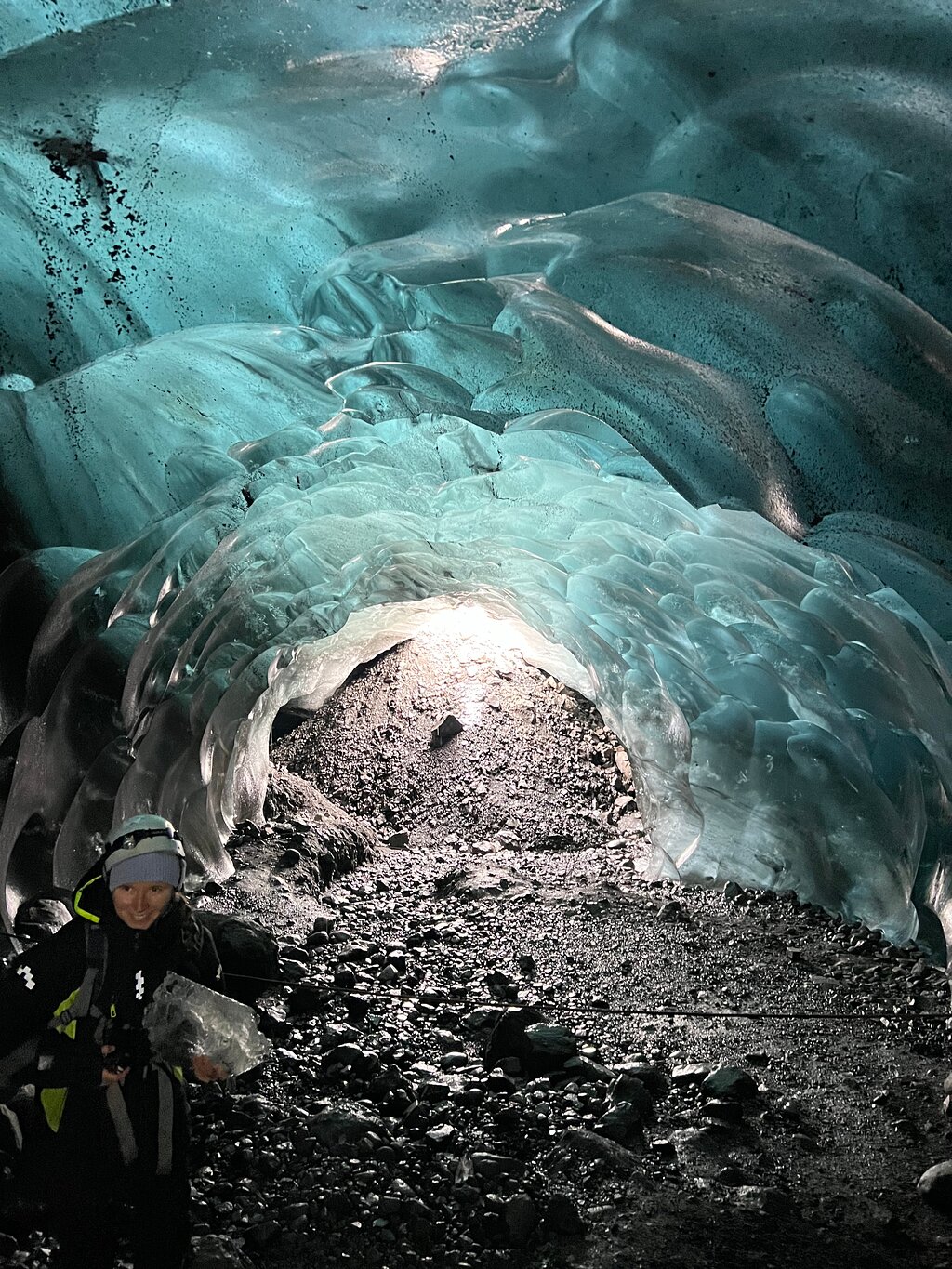
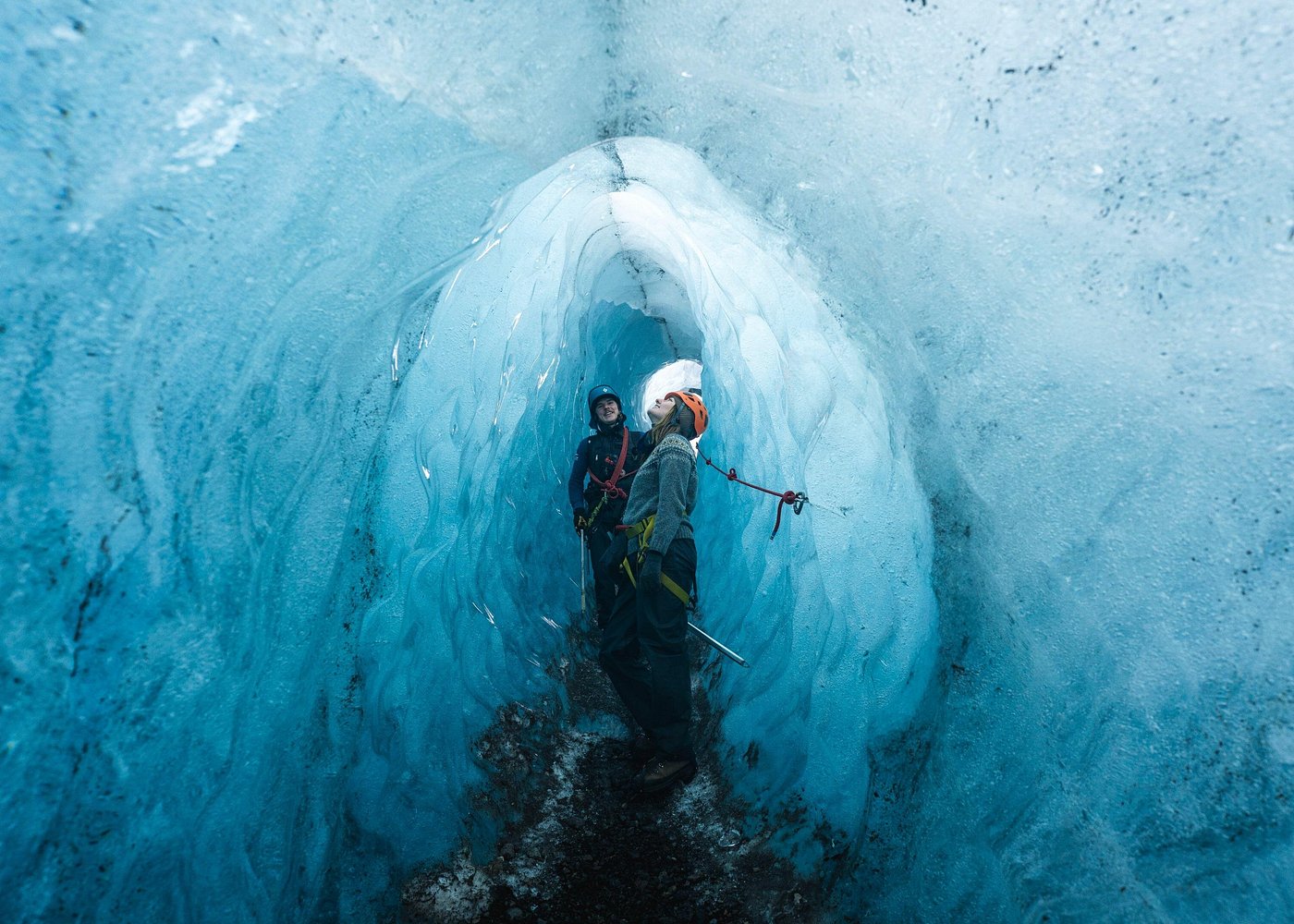
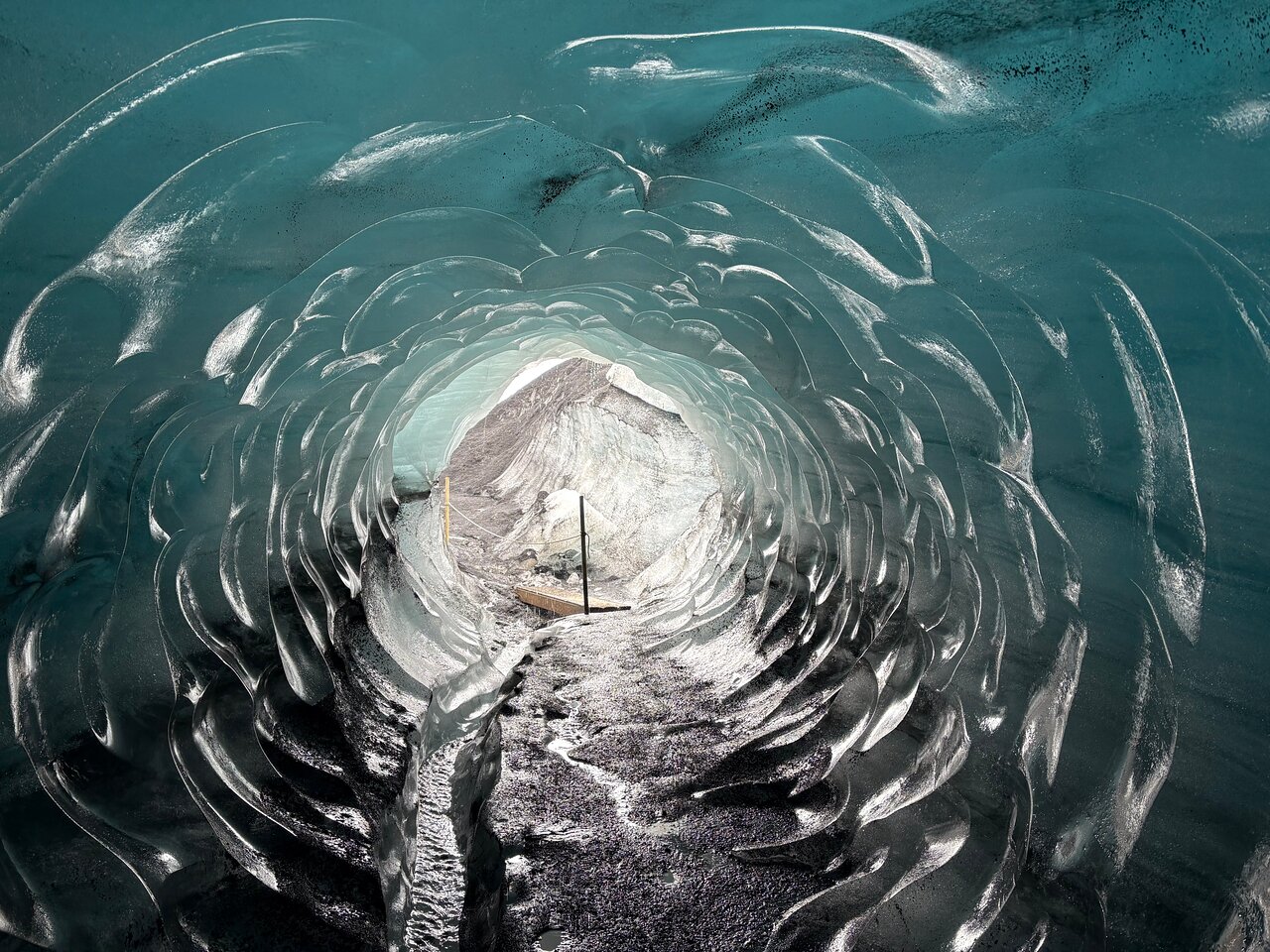
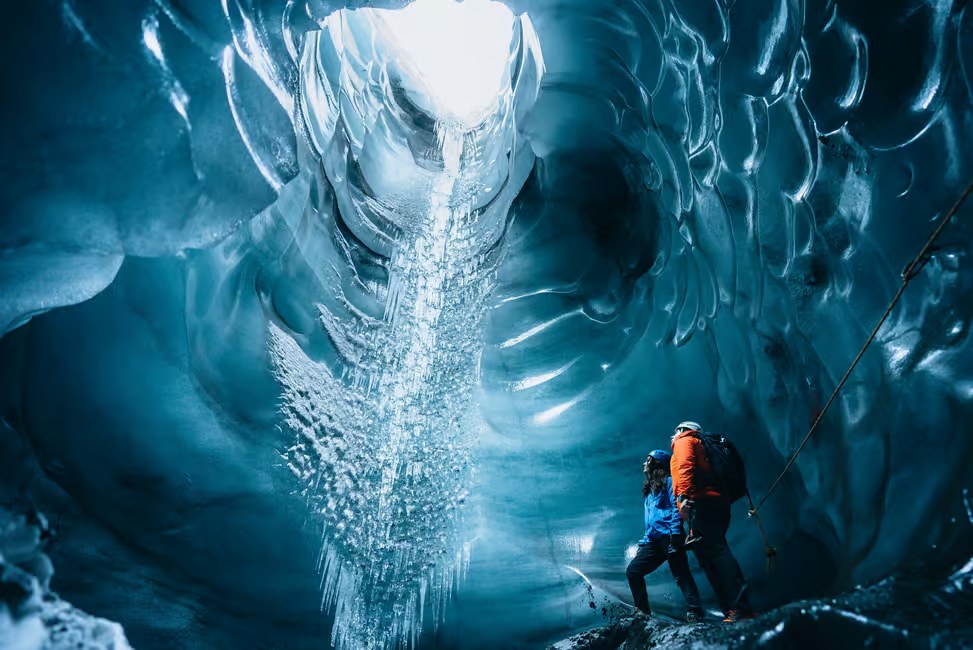
That cold is also what makes the ice blue. Dense, bubble-free glacial ice absorbs the long wavelengths of light and returns blue — and the colder and more compressed the ice, the more intense the effect. This is the only time of year the caves look the way they look in the photographs.
Which caves are open
All of them. The crystal caves in Breiðamerkurjökull near Jökulsárlón are the headline, with smaller caves around Skaftafell usually sold alongside a glacier walk. The year-round Katla cave and the Langjökull tunnel run as well, giving the widest choice of the year.
It also means the widest range of prices and formats: from a $157 larger-group departure at the lagoon to small-group tours capped at eight to fourteen, and full days out of Reykjavik that handle the driving.
The weather is the real variable
Winter in Iceland closes roads, and the South Coast route to Jökulsárlón is a five-hour drive each way. Storms, high wind and ice can cancel a day's tours outright, and warm spells can flood a cave in hours. This is the trade-off for the best ice of the year.
Two practical consequences. First, build slack into the itinerary — do not schedule the cave for the day before a flight home. Second, prefer basing near Höfn or Skaftafell over day-tripping from Reykjavik if the cave really matters, or take a multi-day tour where the operator carries the driving risk.
Daylight, aurora and photography
Daylight is short: about five hours around the December solstice, stretching to roughly twelve by late March. Tours are built around it, but it does compress a day. The upside is a long aurora window most clear nights, and low golden light through the middle of the day.
Inside a cave, bring something that copes with low light. Guides make room for photographs, but tripods are impractical in a group and the ice swallows light — a lens that handles a wide aperture matters more than megapixels.