About Iceland's ice caves
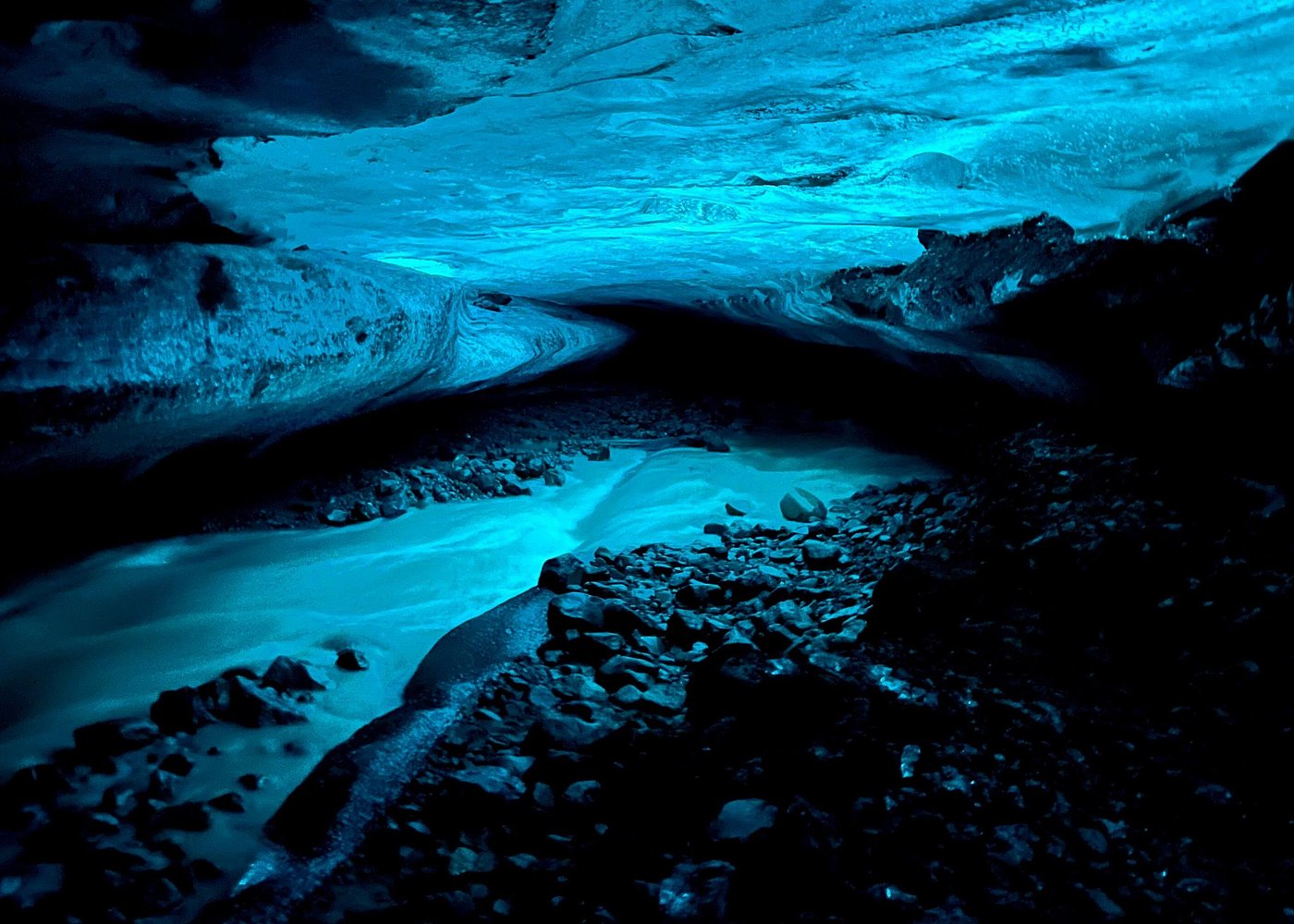
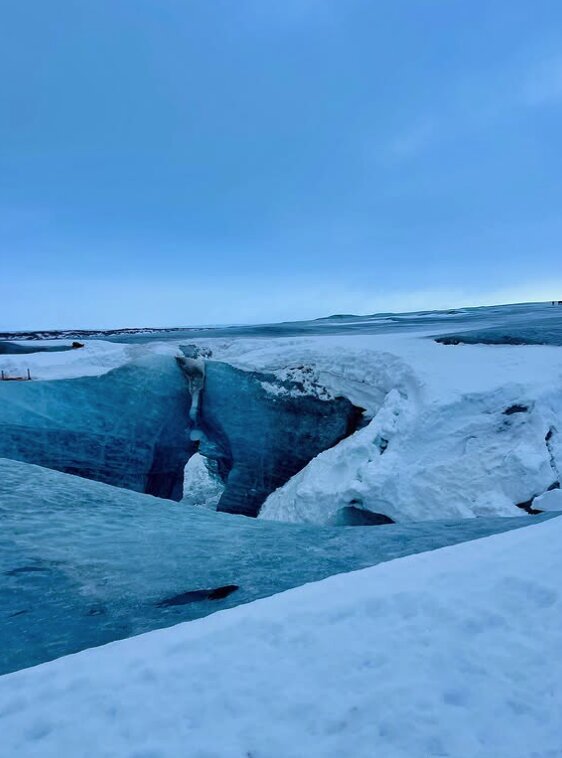
An ice cave is a void inside a glacier, and almost every one in Iceland was carved by running water. Meltwater streams find a crack in the surface each summer, widen it into a channel as they pour through the ice, then drain away in autumn and leave the passage empty. Once winter cold stiffens the surrounding ice, that empty channel becomes something you can walk into.
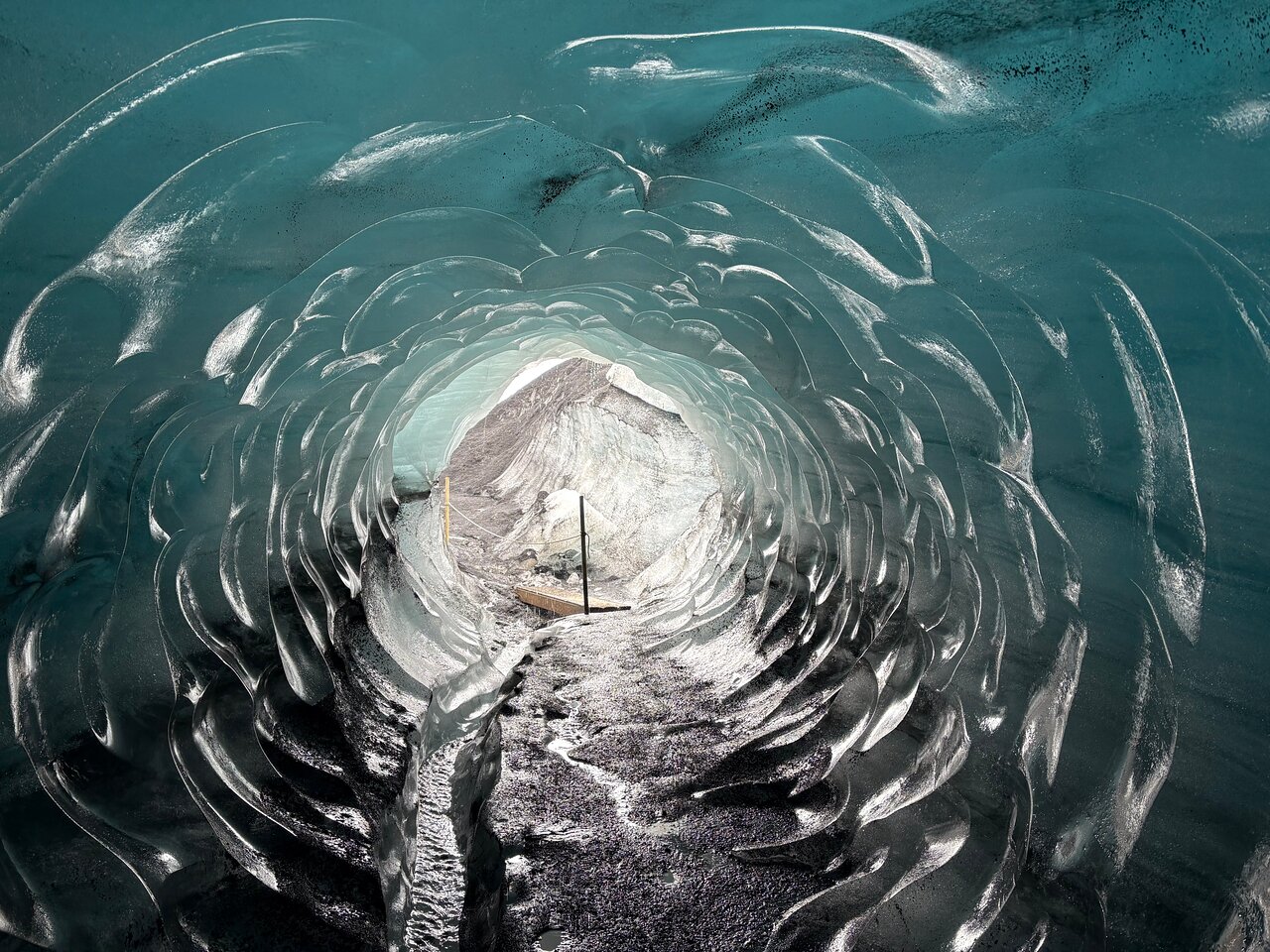
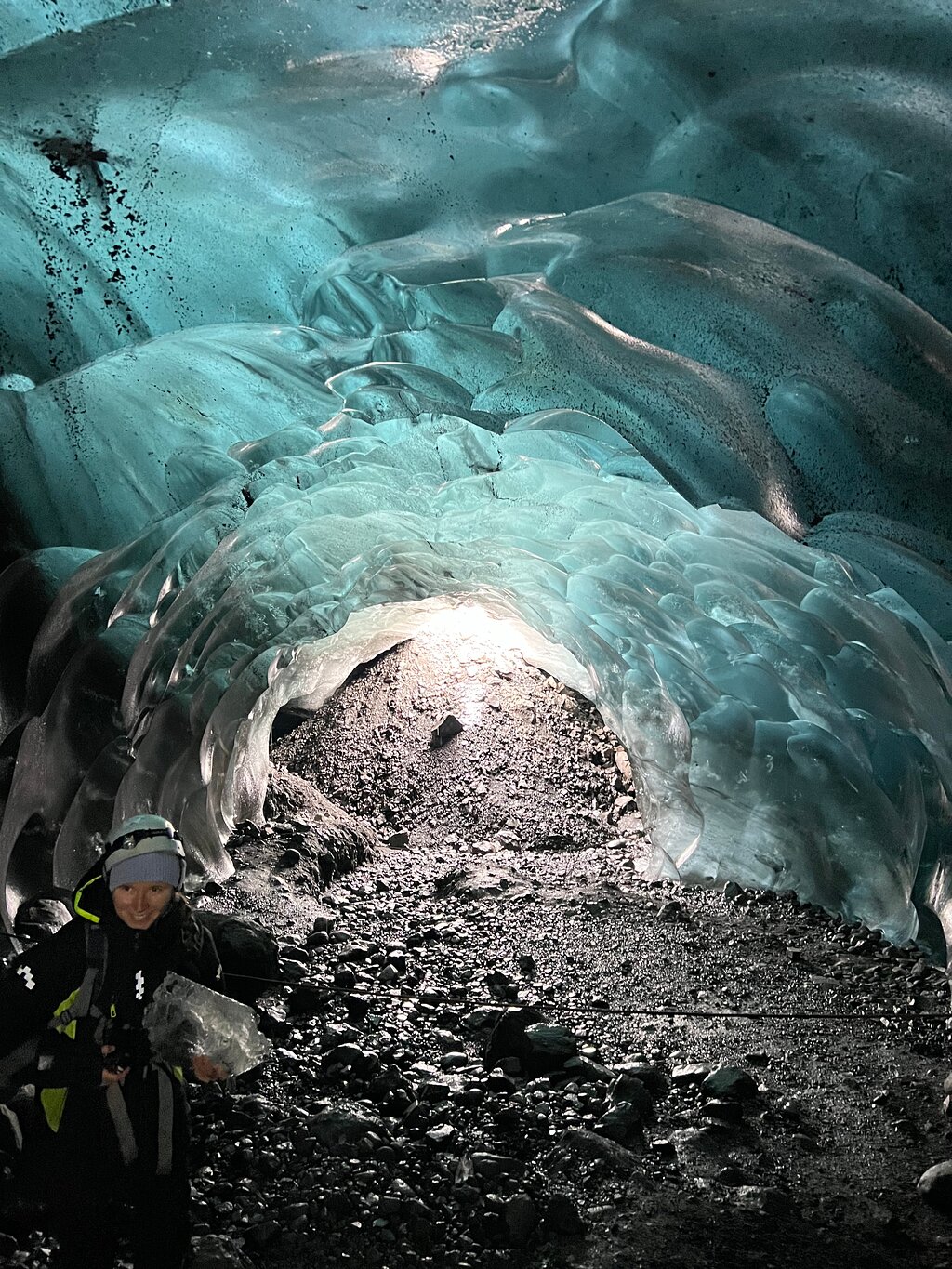
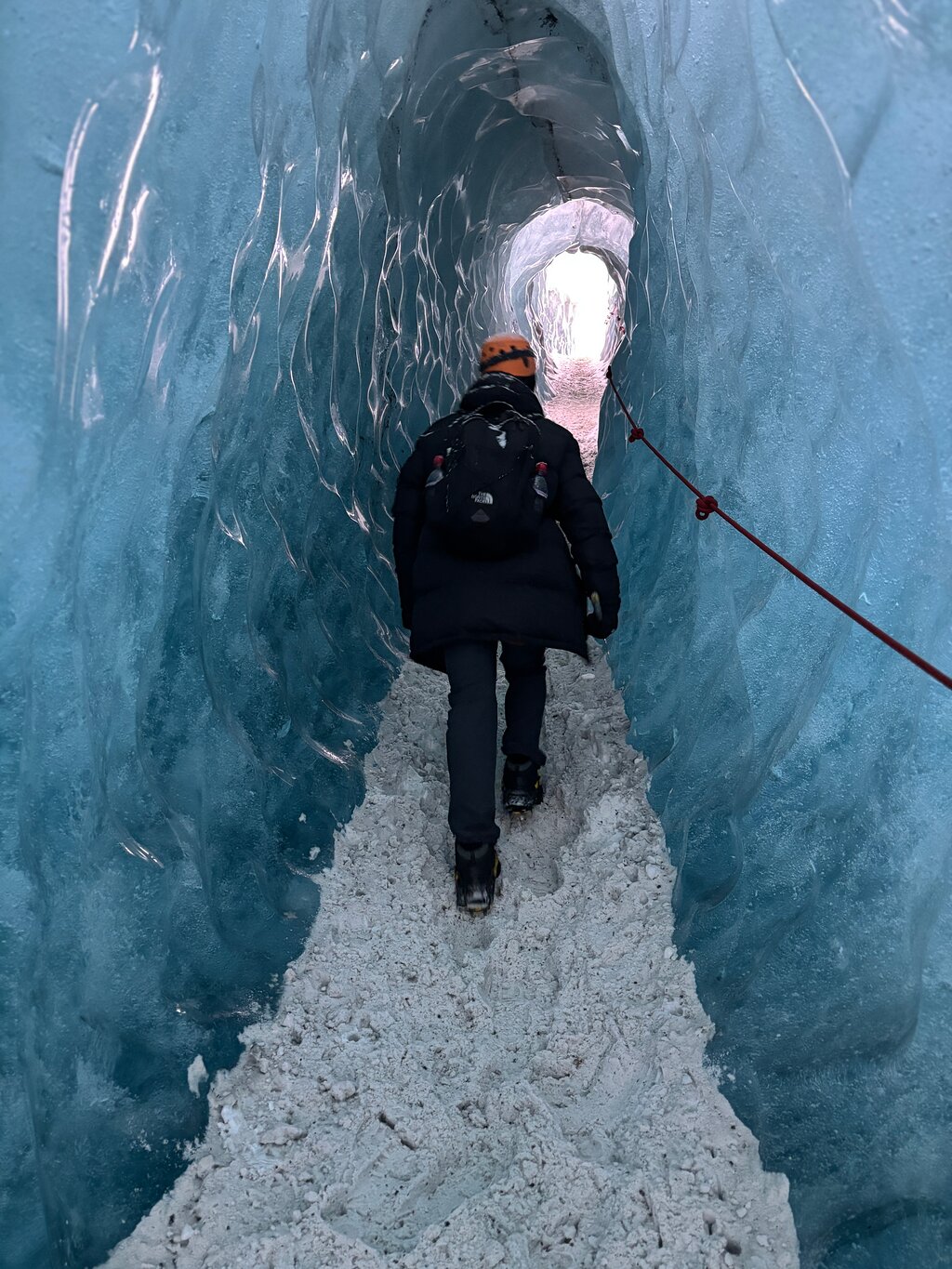
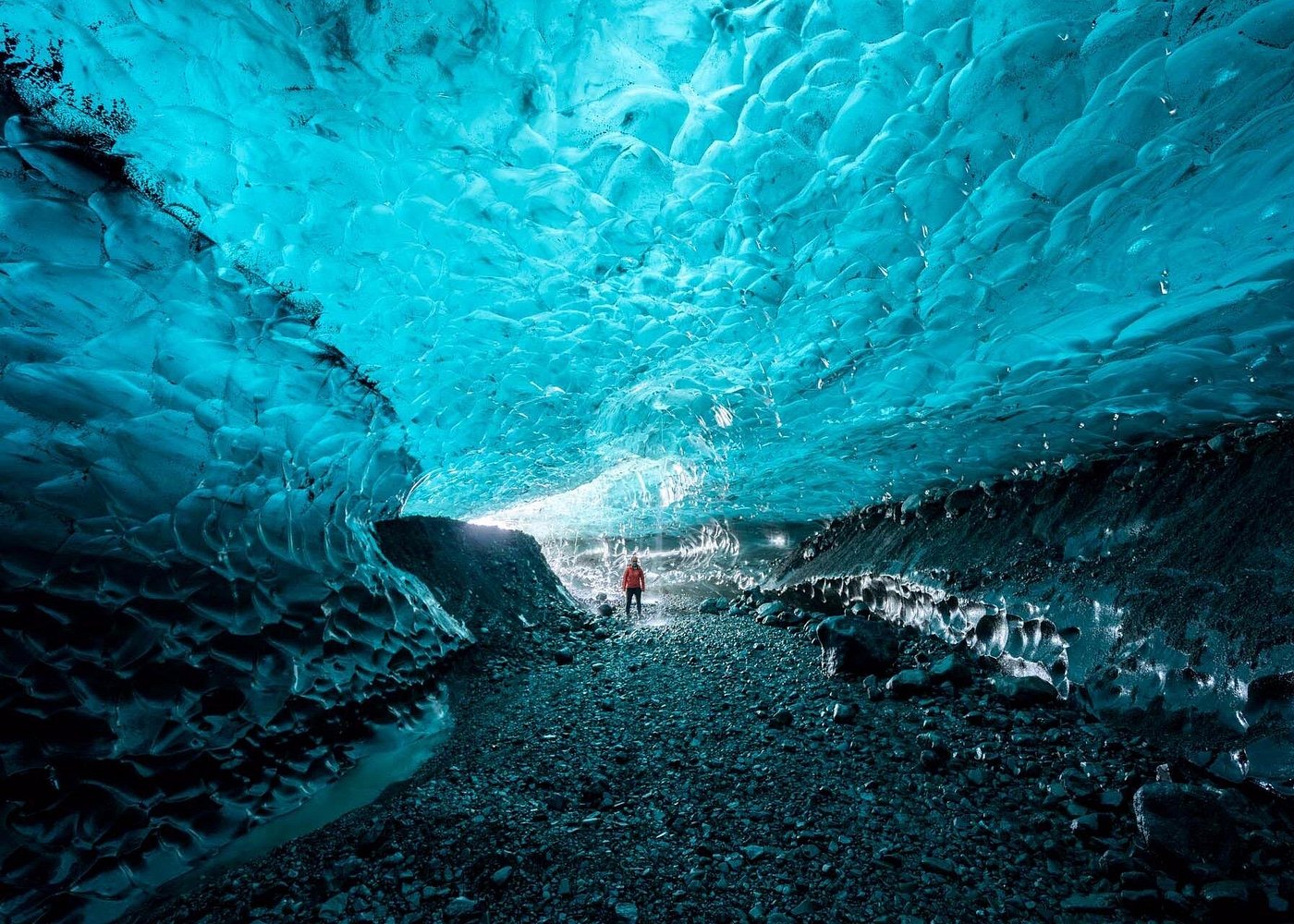
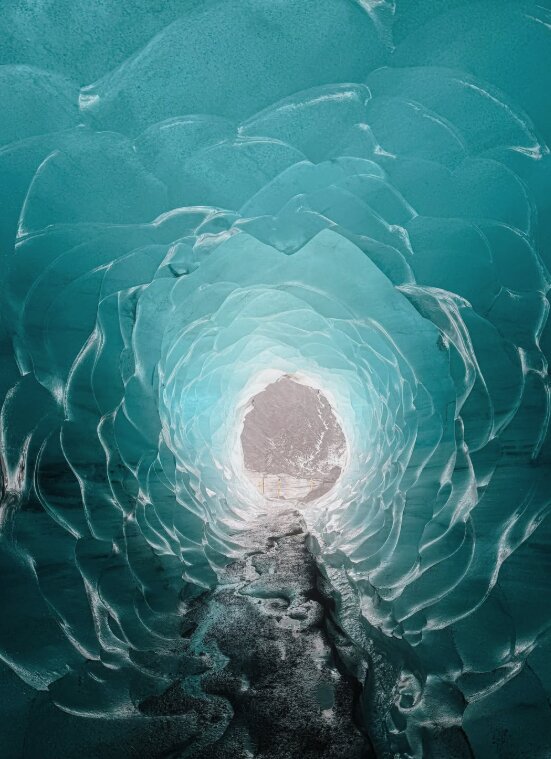
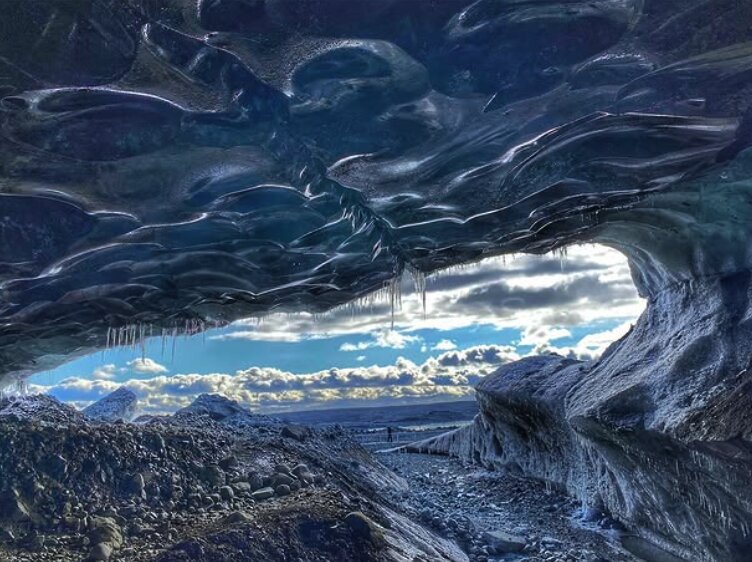
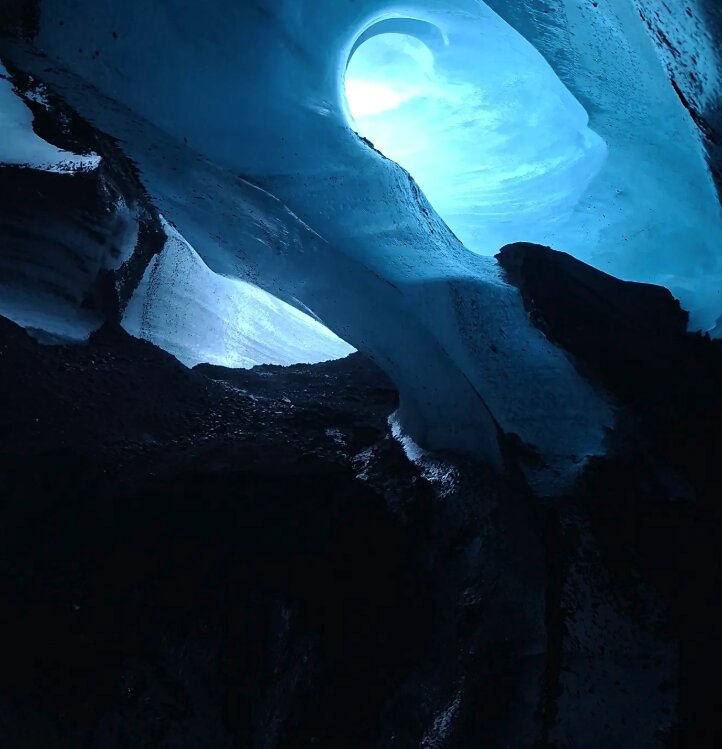
That single fact explains nearly everything else. It explains why the caves are seasonal, why they are different every single year, and why no operator will promise you a specific cave. It also explains the scalloped, rippled walls you see in photographs: those curves are water sculpture, cut by a stream that is no longer there.
Where the caves are
Iceland's accessible ice caves sit in three separate regions, and they are a long way apart.
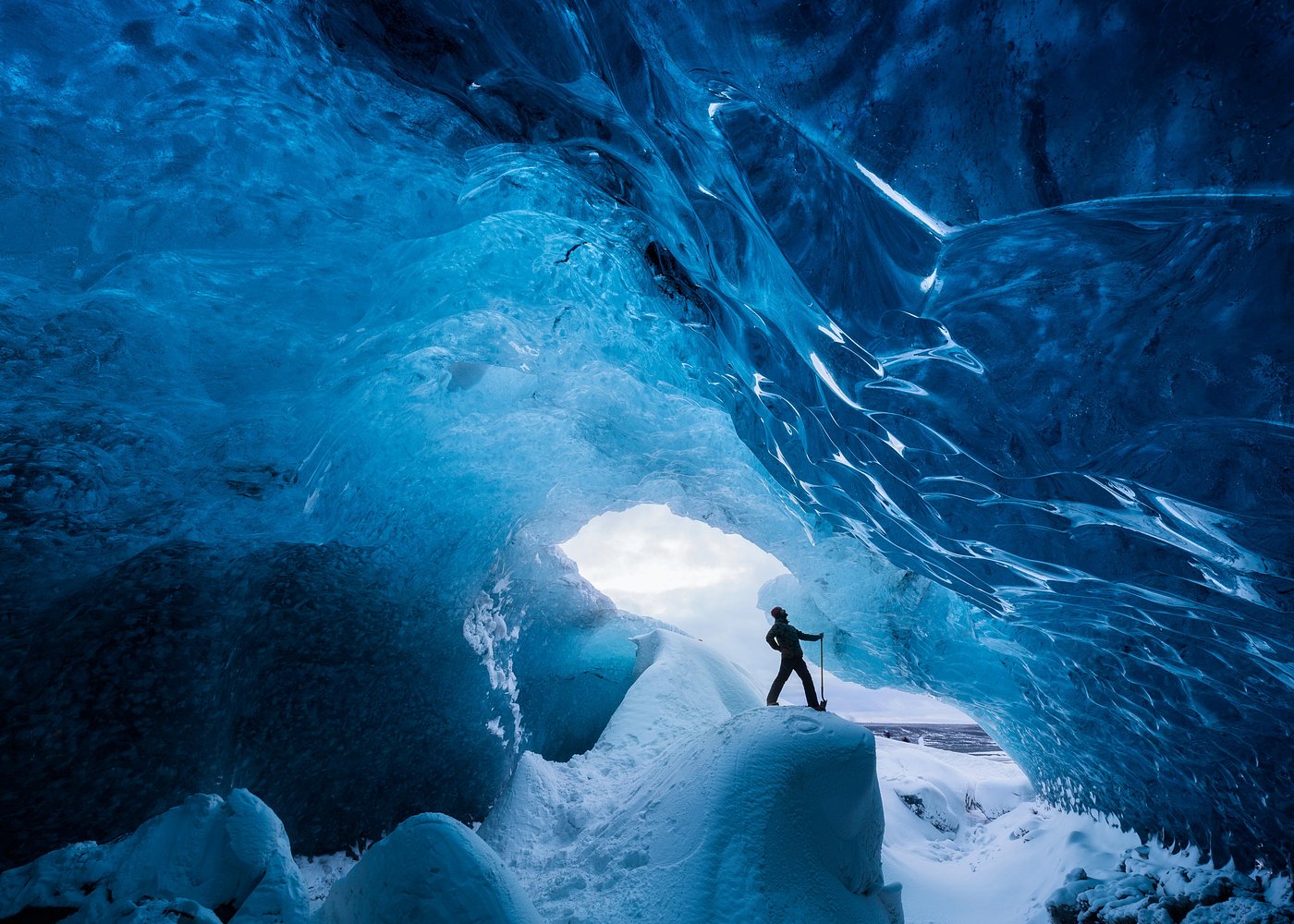
- South East — Breiðamerkurjökull. The outlet glacier feeding the Jökulsárlón lagoon holds the famous crystal caves: deep blue, winter only, about five hours from Reykjavik.
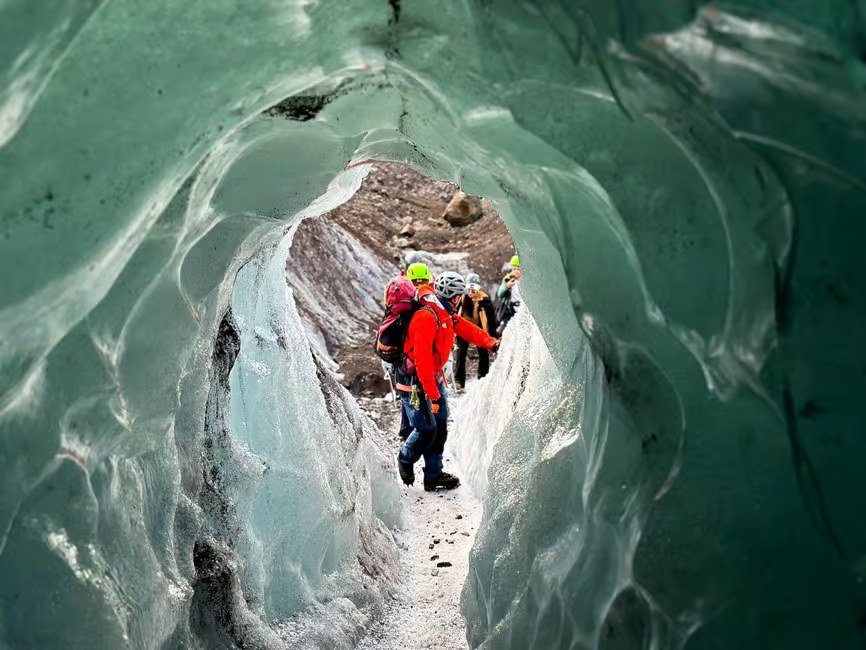
- South Coast — Kötlujökull. The Katla cave sits under Mýrdalsjökull above Vík. Natural, streaked black with volcanic ash, and open every month.
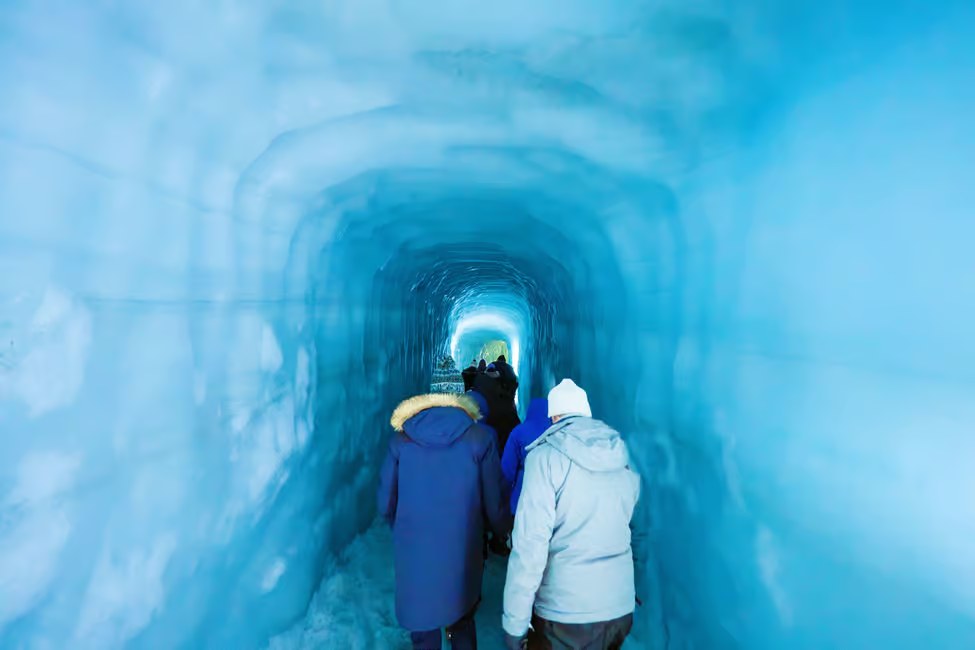
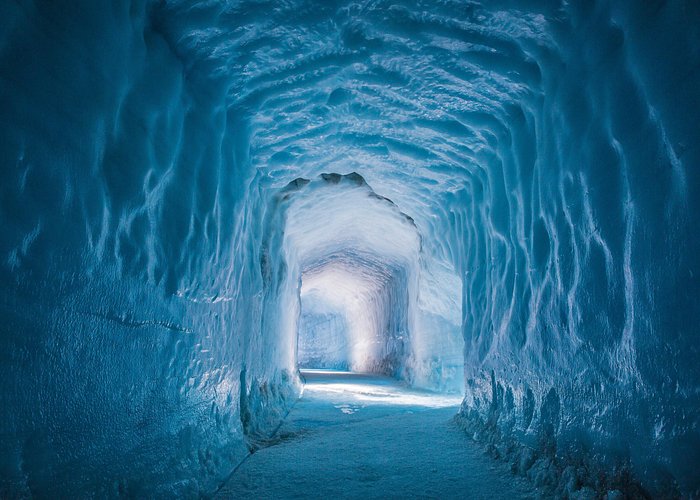
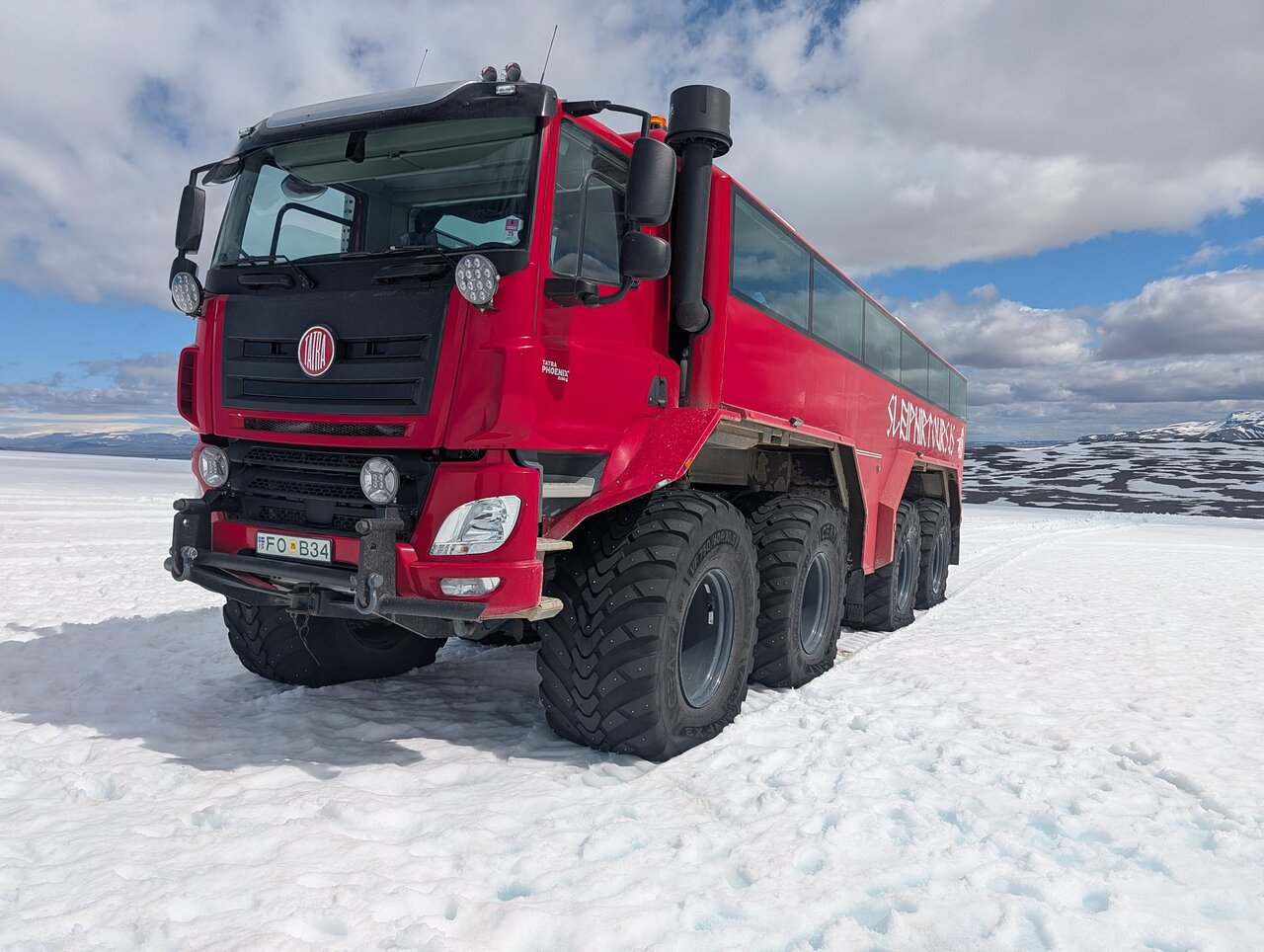
- West — Langjökull. Into the Glacier is not natural at all but a maintained tunnel bored into the ice cap, which is exactly why it never closes.
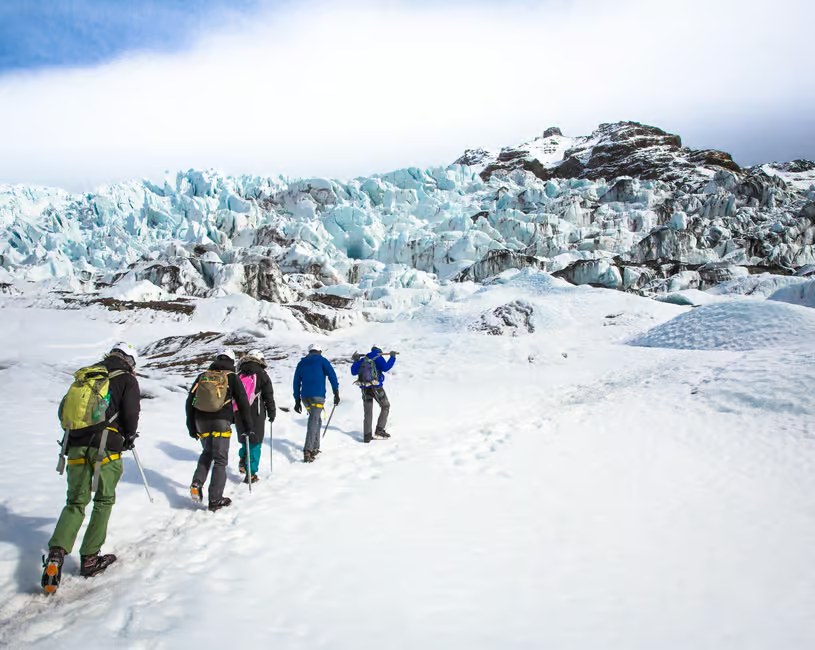
Smaller caves also form around Skaftafell, usually sold alongside a glacier walk rather than on their own.
Why the ice is blue — and why so much of it is black
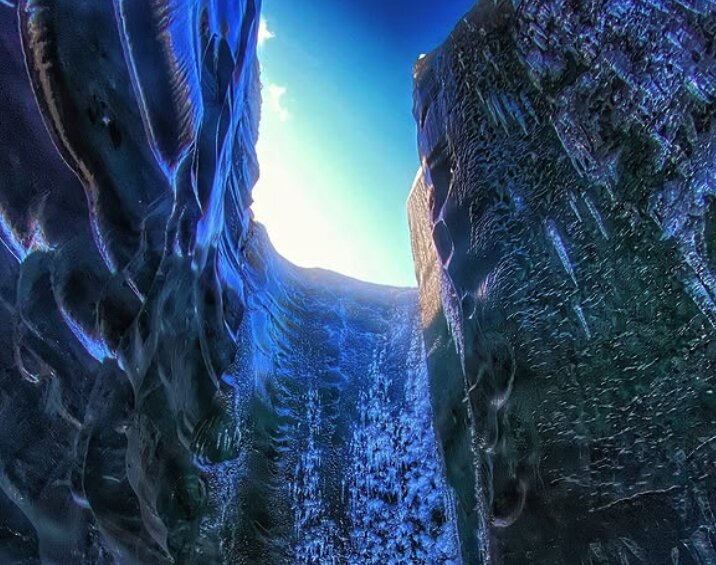
Fresh snow is white because it is full of air. As it is buried by later snowfall the air is squeezed out, and the resulting dense glacial ice absorbs the long red wavelengths of light while scattering the short blue ones back. Blue is a direct signal of age and pressure, which is why the colour is strongest in midwinter when the ice is coldest.
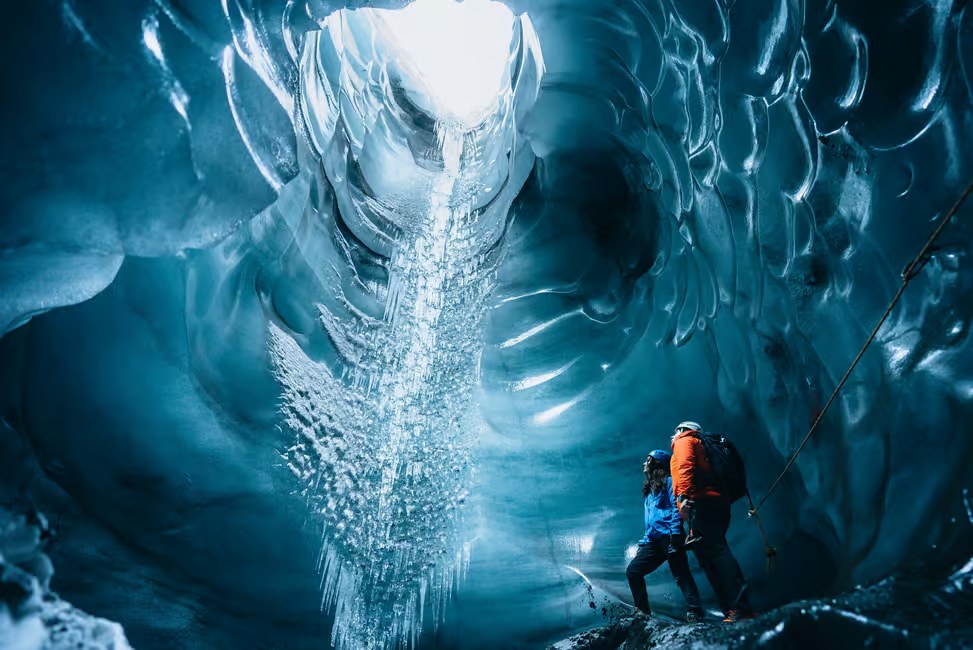
The dark bands are volcanic ash. Iceland's glaciers sit on an active volcanic island, and eruptions lay down ash that later snow buries. Decades on it reappears in the cave walls as a geological calendar. Katla, sitting directly on a volcano, is the most striking example.
An honest word about expectations
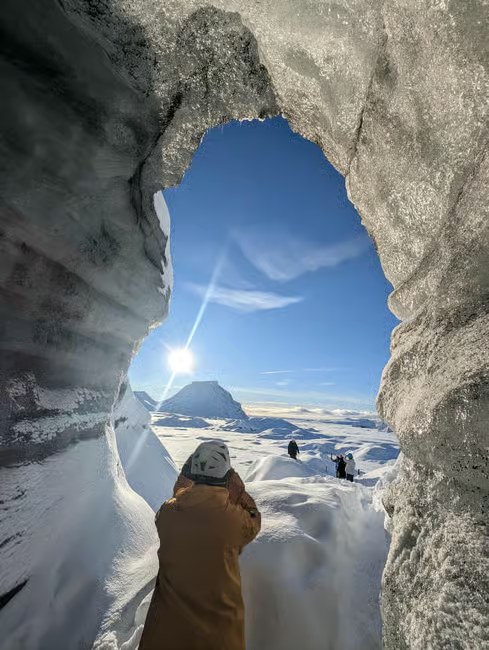
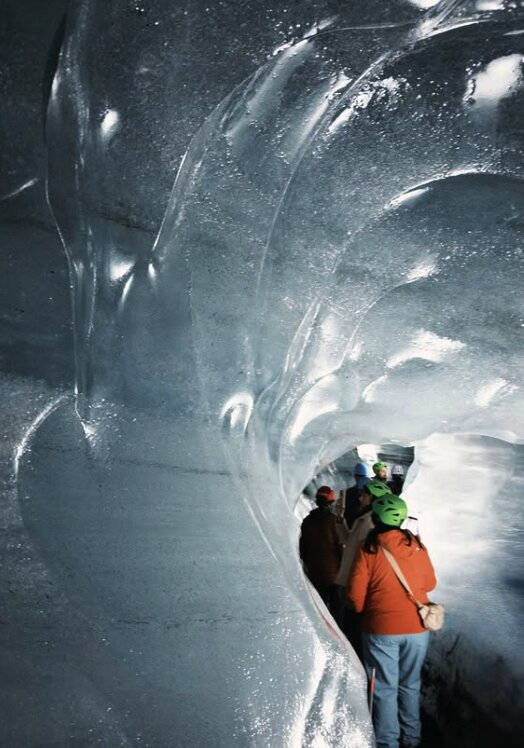
The single most common disappointment in ice cave reviews is not price or service — it is scale. Natural caves are frequently smaller and darker than the marketing photographs suggest. The luminous blue in a listing image is usually one opening shot on a wide lens; inside, the same chamber reads smaller, greyer and rougher, with gravel underfoot.
That is not a reason to skip it. Standing under a ceiling of thousand-year-old ice is worth the trip. But the gap between the photograph and the place is entirely avoidable by knowing about it first — the gallery shows a more realistic picture.