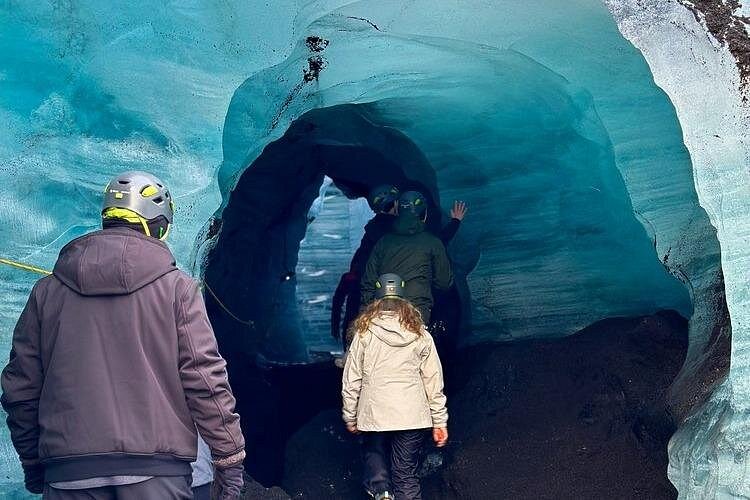
When does ice cave season start in Iceland?
Usually November. Natural caves are carved by summer meltwater and only become safe once the glacier has been cold long enough for the ice to refreeze and hold its shape. That point arrives at slightly different times each year, which is why operators do not publish a fixed opening date.
In practice this means early November is the least predictable part of the season and late November is close to reliable. If a blue cave tour is listed for your date, it is running; guides only sell what they have judged safe.
What opens, and where
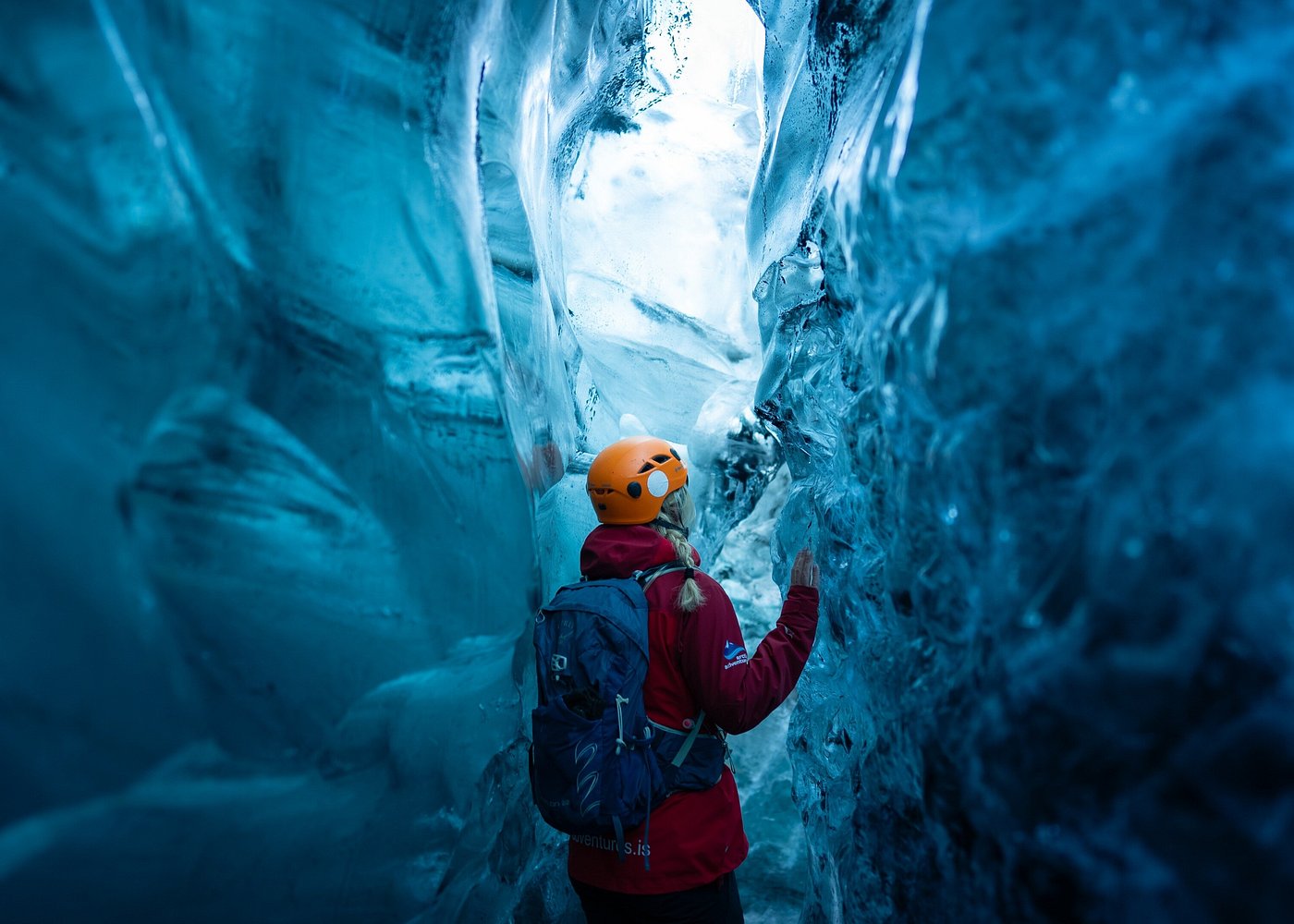
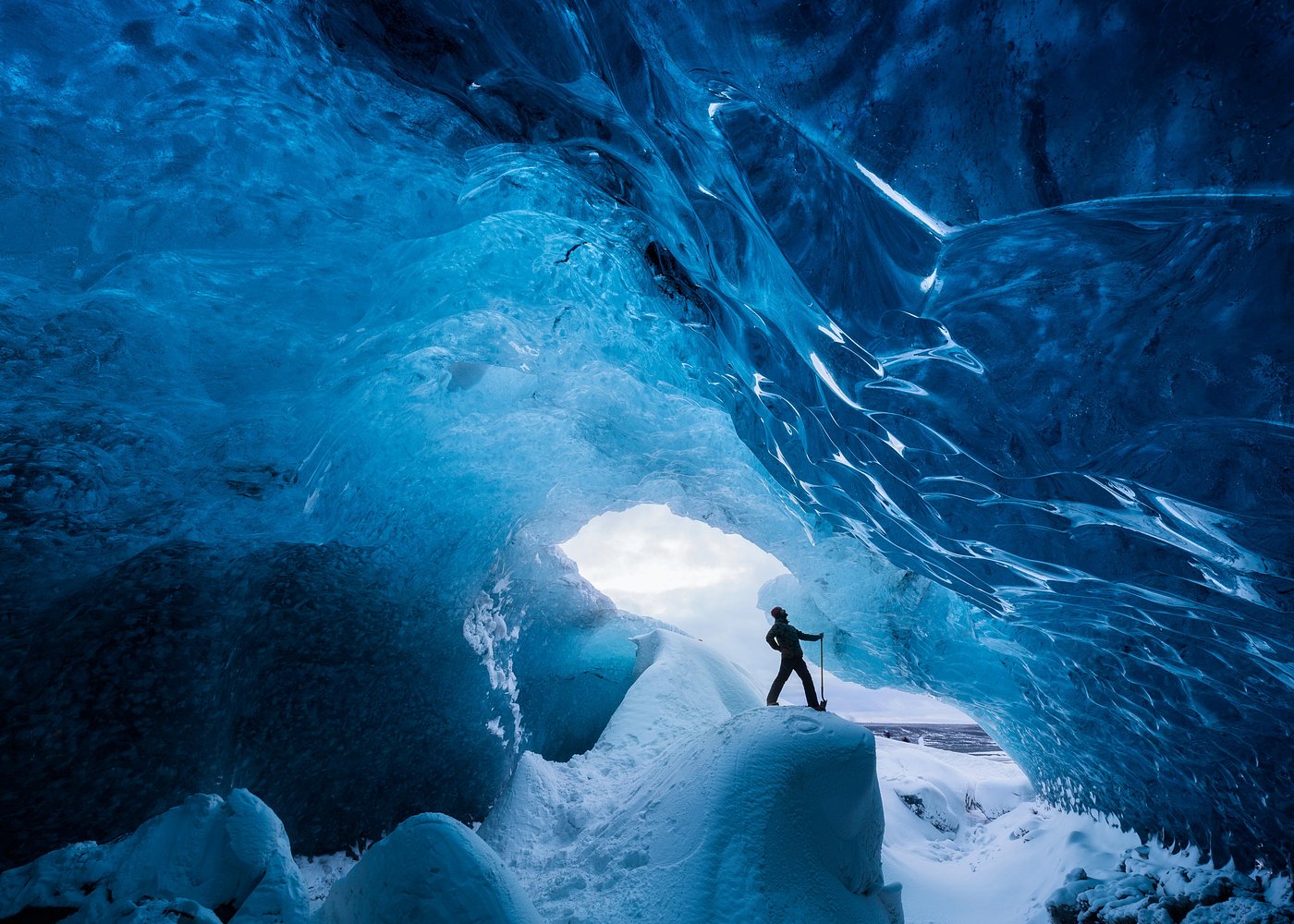
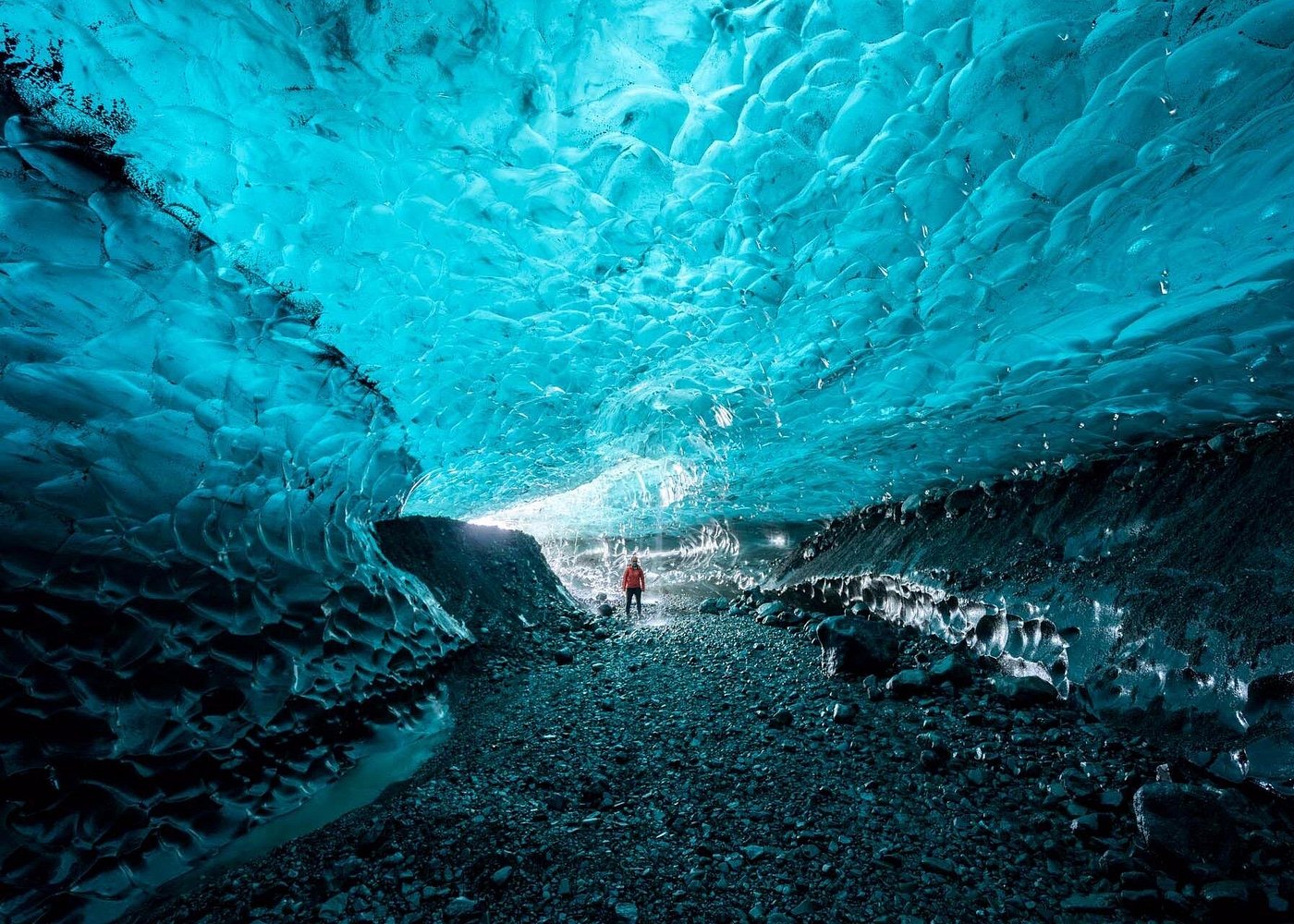
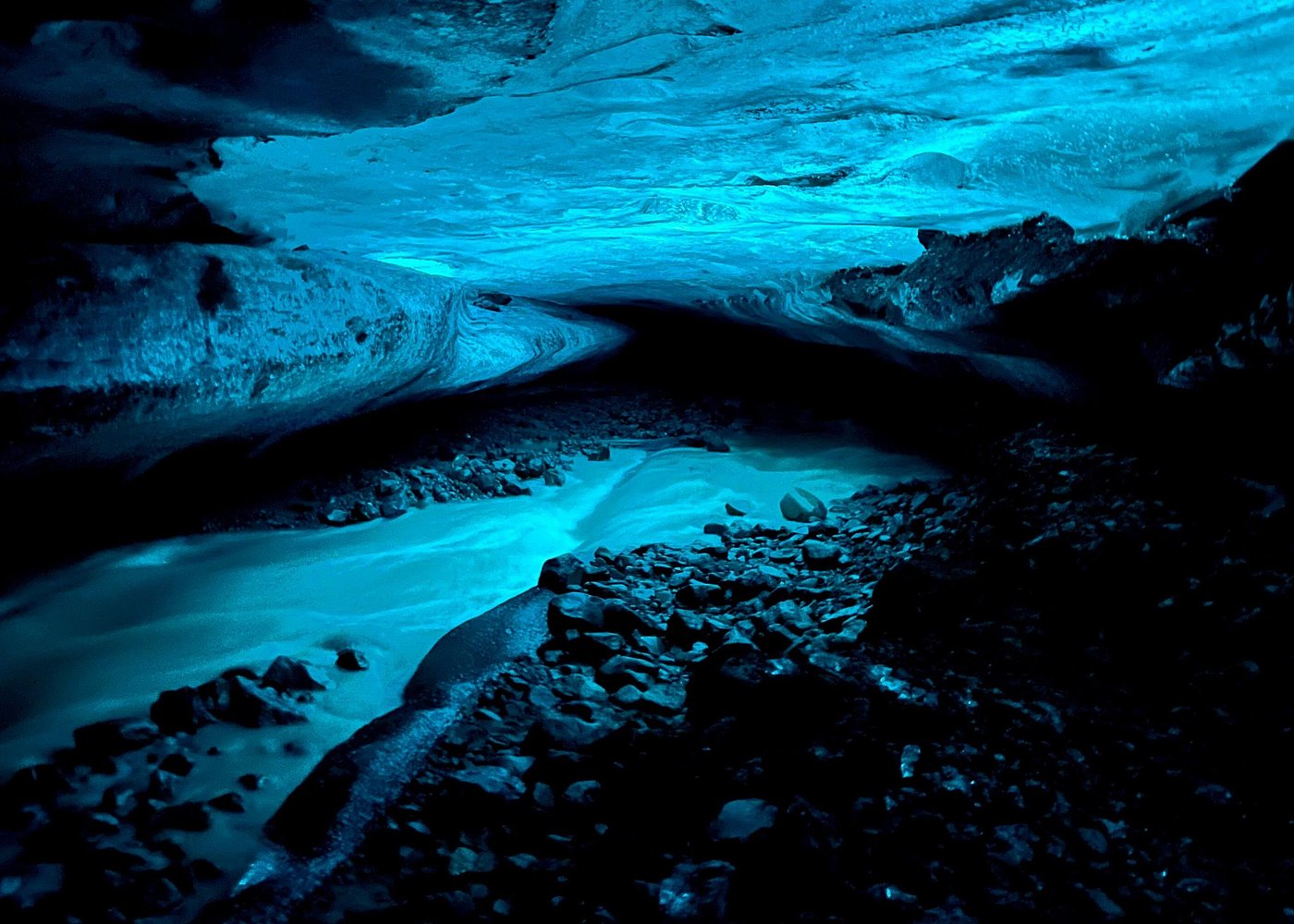
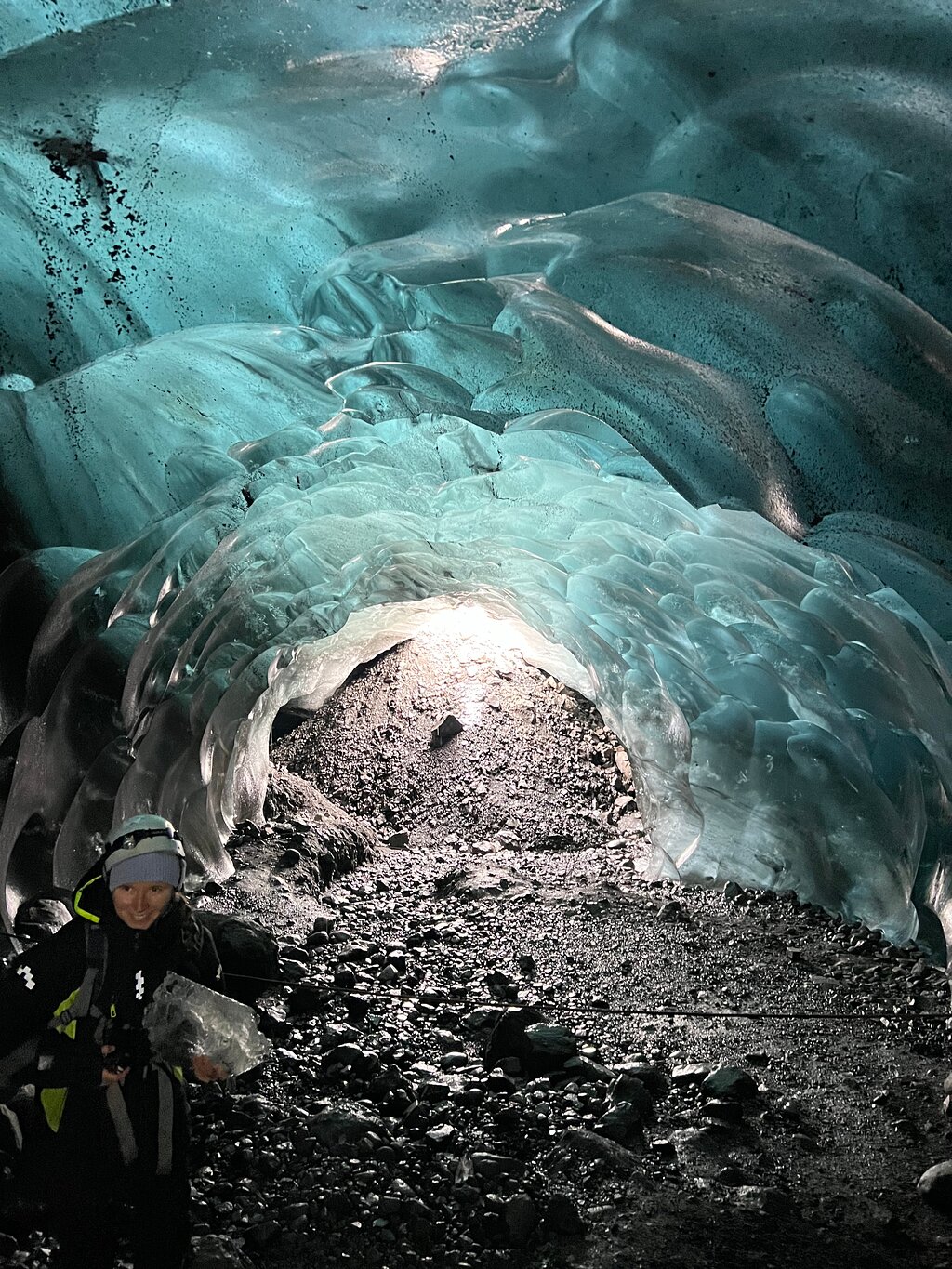
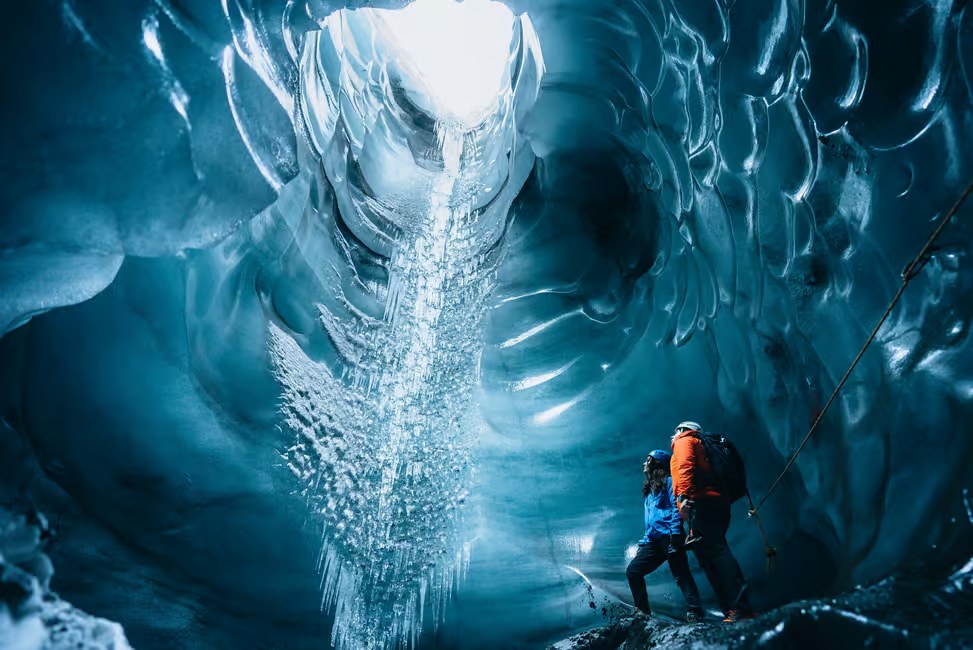
The caves that matter are in Breiðamerkurjökull, the outlet glacier that feeds the Jökulsárlón lagoon. These are the crystal caves from the photographs — deep blue, sculpted by water, different every single year.
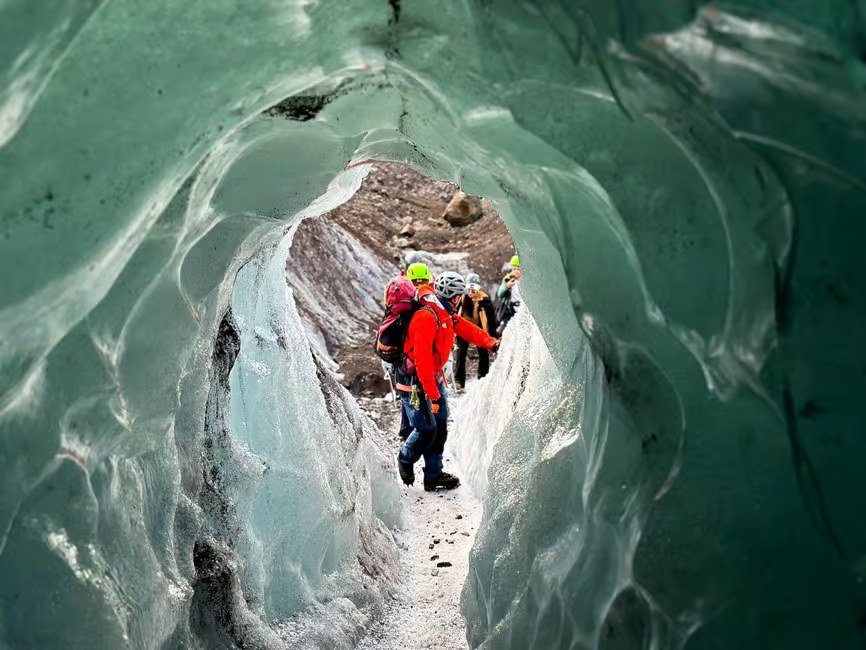
Smaller caves also open around Skaftafell, usually paired with a glacier hike. They tend to be more modest, and the walk is the substance of those tours rather than the cave itself.
Why November is a good bet
Darkness without the worst weather. November has long enough nights for a serious aurora attempt while the roads are typically in better shape than December through February. The South Coast drive to Jökulsárlón is a genuine consideration in deep winter; in November it is usually straightforward.
Fewer people in the cave. The Christmas and February peaks are the busiest weeks for cave tours. November sits before that, so groups are often smaller in practice than the stated maximum, and photographs are easier.
Booking in a month that depends on the ice
The sensible approach is to book a blue cave tour if one is listed, and hold a year-round cave as a fallback. Every tour here has free cancellation up to 24 hours before departure, so keeping options open costs nothing.
Operators also swap rather than cancel when a specific cave becomes unsafe — guides move the group to another cave, a crevasse or a glacier walk. Knowing that in advance takes the sting out of a change on the day.