What an ice cave really looks like
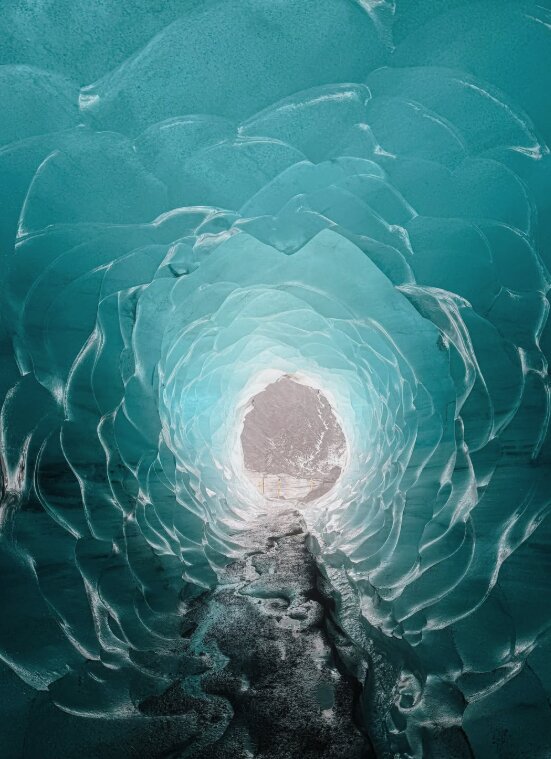
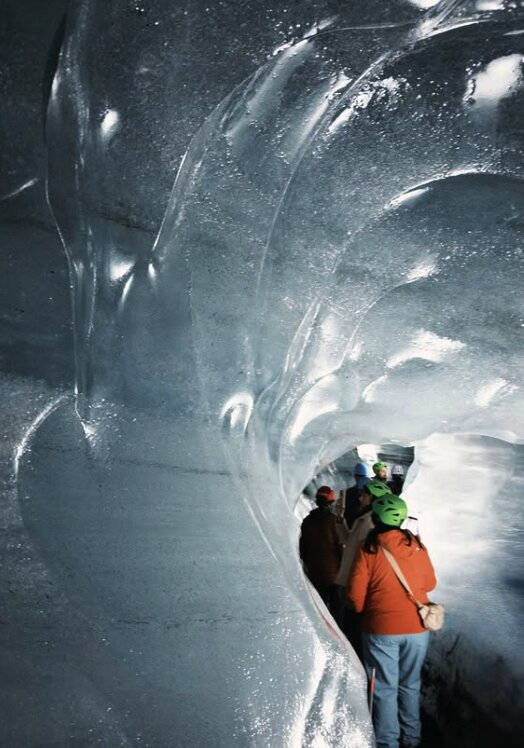
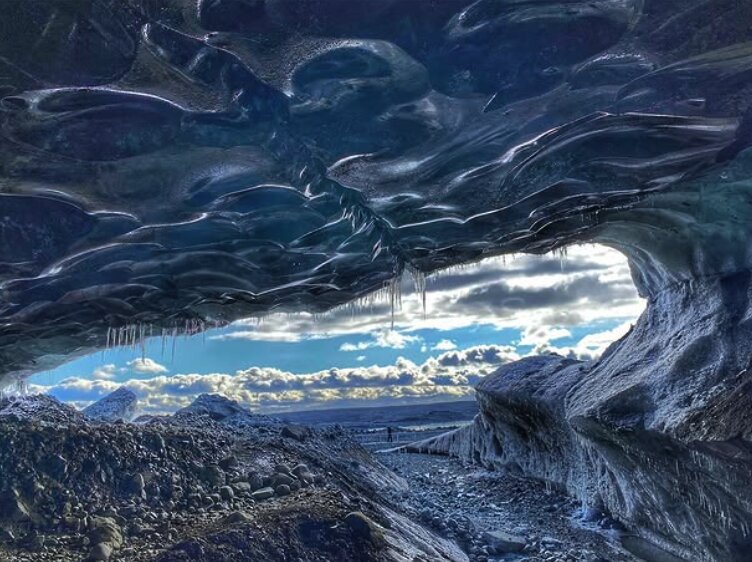
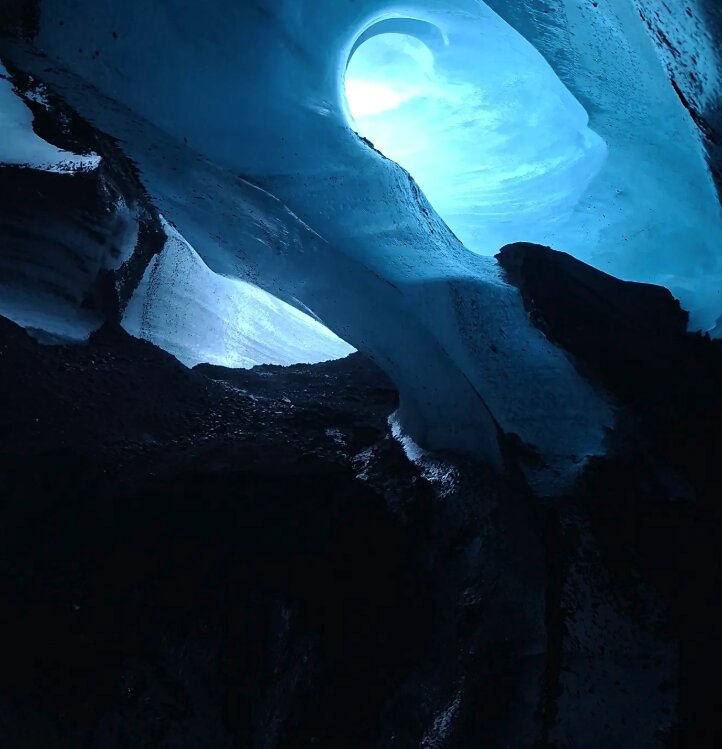
The honest version: most of a cave is dark. The luminous blue in a marketing photograph is usually a single opening where daylight enters, shot on a wide lens that exaggerates the space. Stand inside and the same chamber reads smaller, greyer and rougher, with gravel underfoot and meltwater running somewhere out of sight.
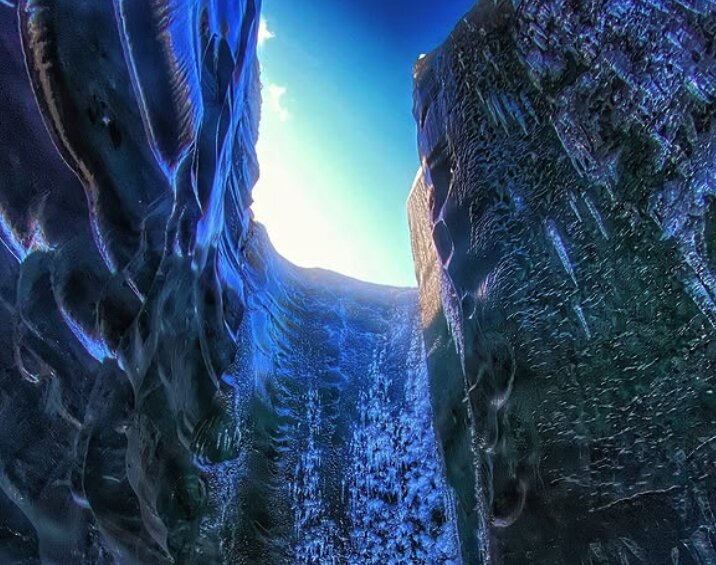
That is not a complaint, and it is not a reason to skip it. Glacier ice genuinely is blue — dense, bubble-free ice absorbs the long wavelengths of light and returns the short ones — and standing under a ceiling of it is worth the trip. But the gap between the photograph and the place is the single most common disappointment in ice cave reviews, and it is entirely avoidable by knowing what to expect.
Why no two caves are the same
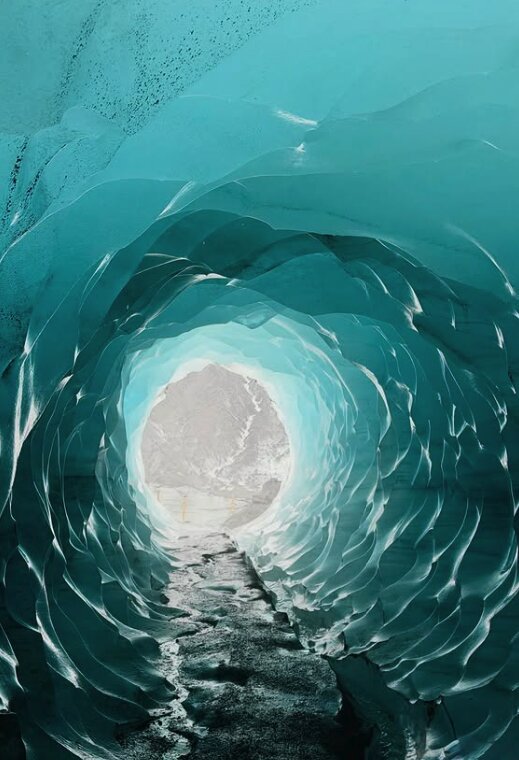
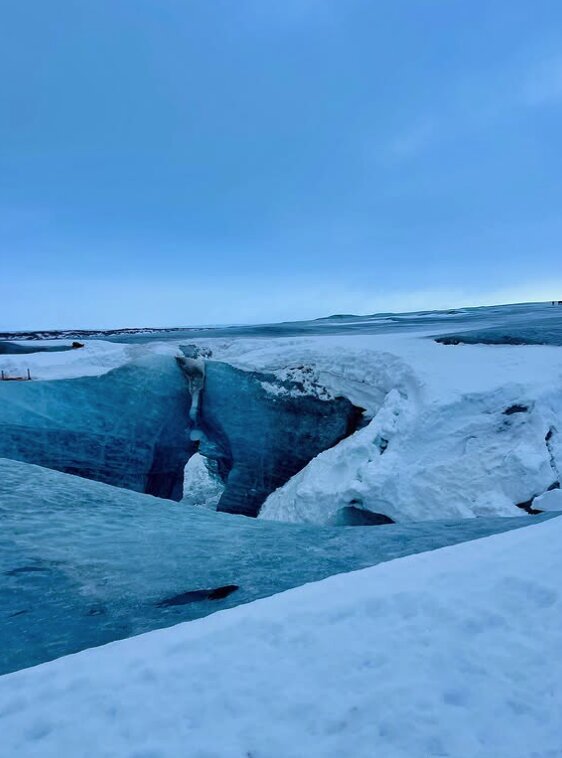
Natural ice caves are carved by meltwater. Streams run through and under the glacier all summer, hollowing out channels; when the water drops away in autumn the channels are left empty, and once the ice is cold enough to be stable they can be entered. Every winter produces a different set.
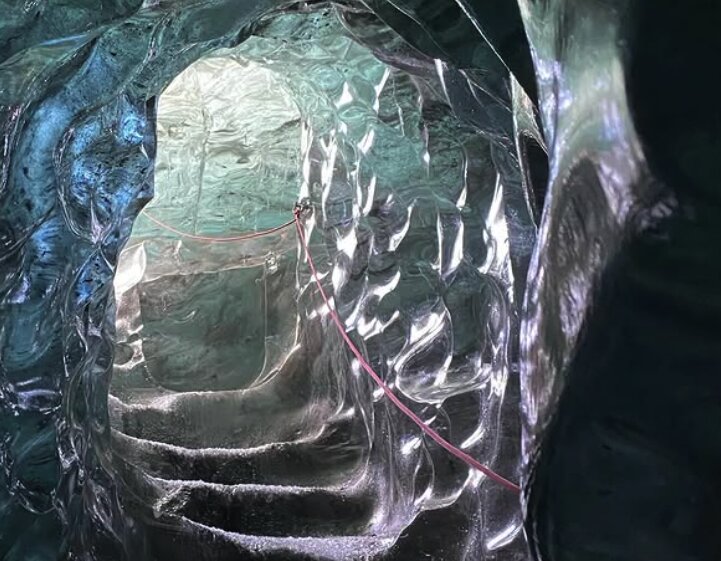
This is why guides do not promise a particular cave, and why a photograph from last season is not a preview. It also explains the rippled walls in several images above: those curves are water sculpture, cut by a stream that is no longer there.
The black in the ice is volcanic ash
Iceland's glaciers sit on an active volcanic island. Eruptions lay down ash, snow buries it, and decades later that ash appears as dark bands running through the ice. The Katla cave under Mýrdalsjökull is the most striking example, streaked black and grey rather than blue.
The crystal caves at Breiðamerkurjökull are the ones that produce the intense blue photographs, and even they contain ash layers and sediment. Clean, uniform blue is the exception rather than the rule.
Photographing a cave without wasting the visit
Three practical things. First, light is scarce — a lens that opens wide matters far more than resolution, and a tripod is usually impractical in a moving group on uneven ice. Second, the contrast is extreme: exposing for a bright entrance turns the chamber black, and exposing for the chamber blows the entrance out. Pick one.
Third, and most important: put the camera down for part of it. Cave visits often run under an hour, several groups may share the space, and reviewers of the busier tours regularly mention feeling rushed. Spending the whole visit behind a viewfinder is the reliable way to leave with photographs and no memory of the place.
Cold, condensation and batteries
Cold drains batteries fast, so carry a spare somewhere warm. The bigger nuisance is condensation: bringing cold equipment straight into a heated vehicle fogs the lens and can leave moisture inside it. Keep the camera in a closed bag while it warms up, and resist the urge to check your shots on the drive back.
Gloves are the other thing people underestimate. Bare hands on a camera at freezing point stop working within minutes, and thick mittens make every control useless — thin liner gloves under a warmer pair is the arrangement that actually works.